System Overview
For concrete and asphalt floors used in industrial and circulation environments, repair and preparation systems restore damaged substrates and prepare surfaces for subsequent floor coatings or marking systems. These materials are used to repair worn, cracked, or degraded areas before applying protective coatings, ensuring the finished system adheres correctly and performs reliably.
Floors in warehouses, factories, car parks, and service yards are often subjected to mechanical wear, impact damage, and environmental exposure. Over time, this can lead to surface defects such as cracks, spalling, or localised deterioration. Repair products help restore surface continuity and stabilise the substrate before coatings or line marking systems are applied.
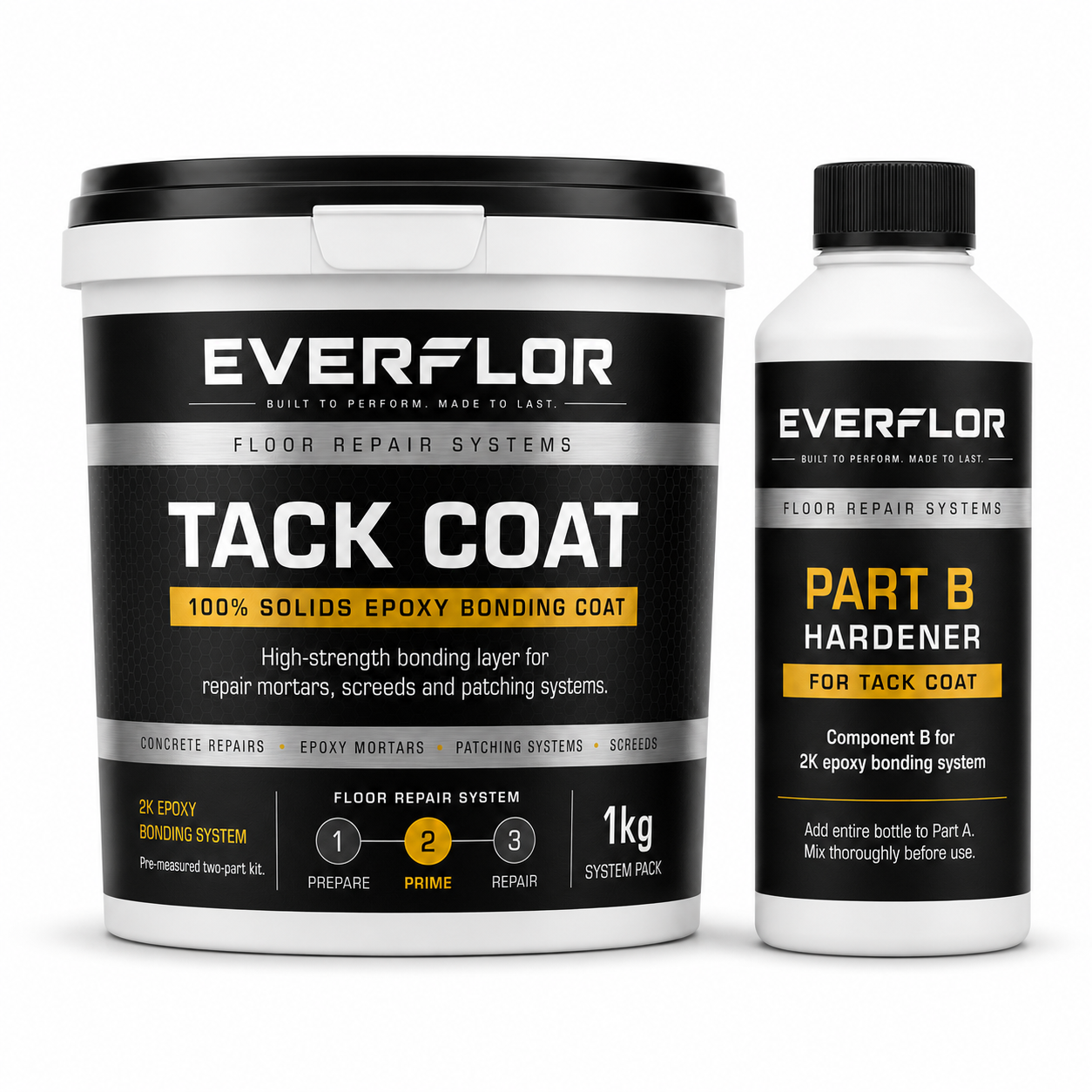
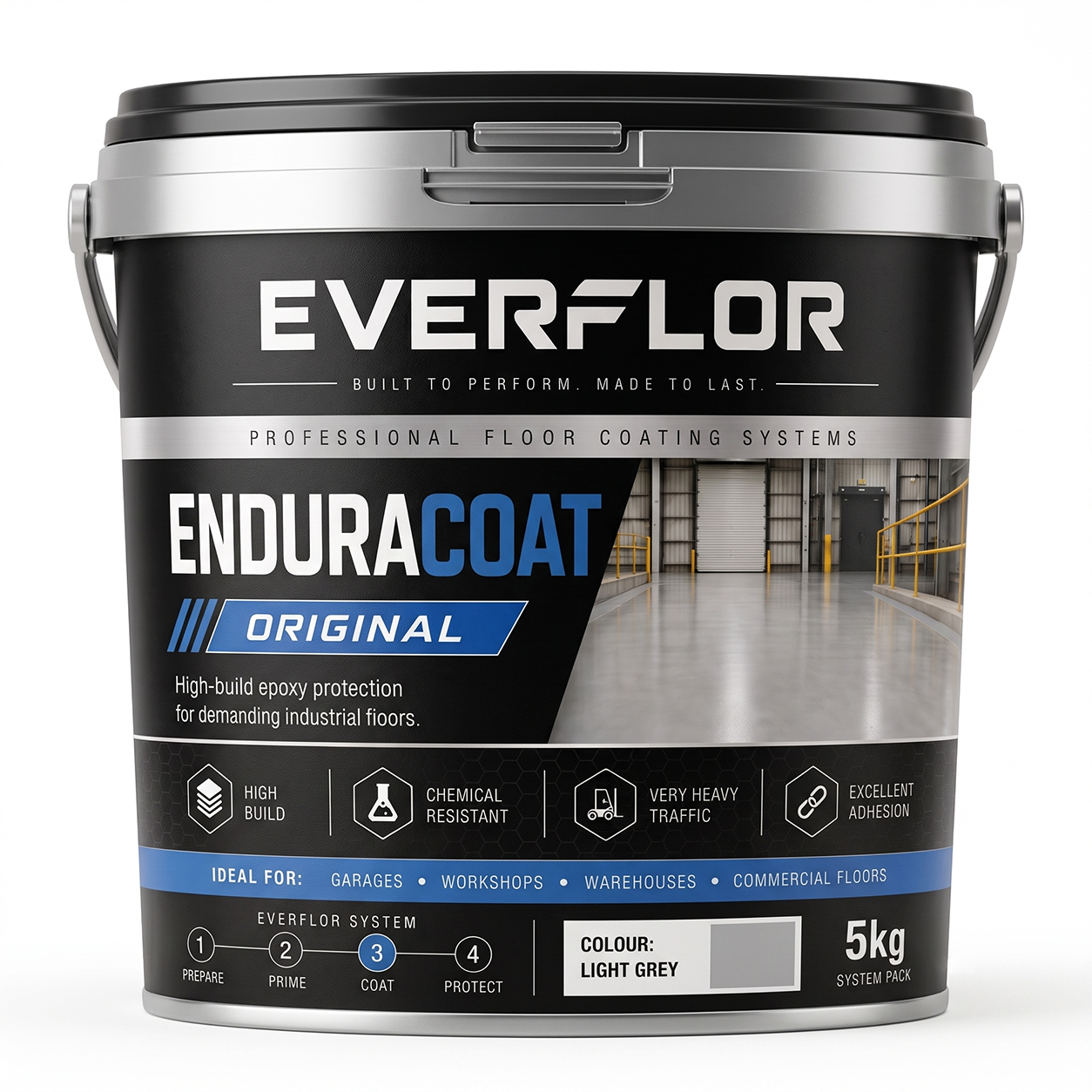
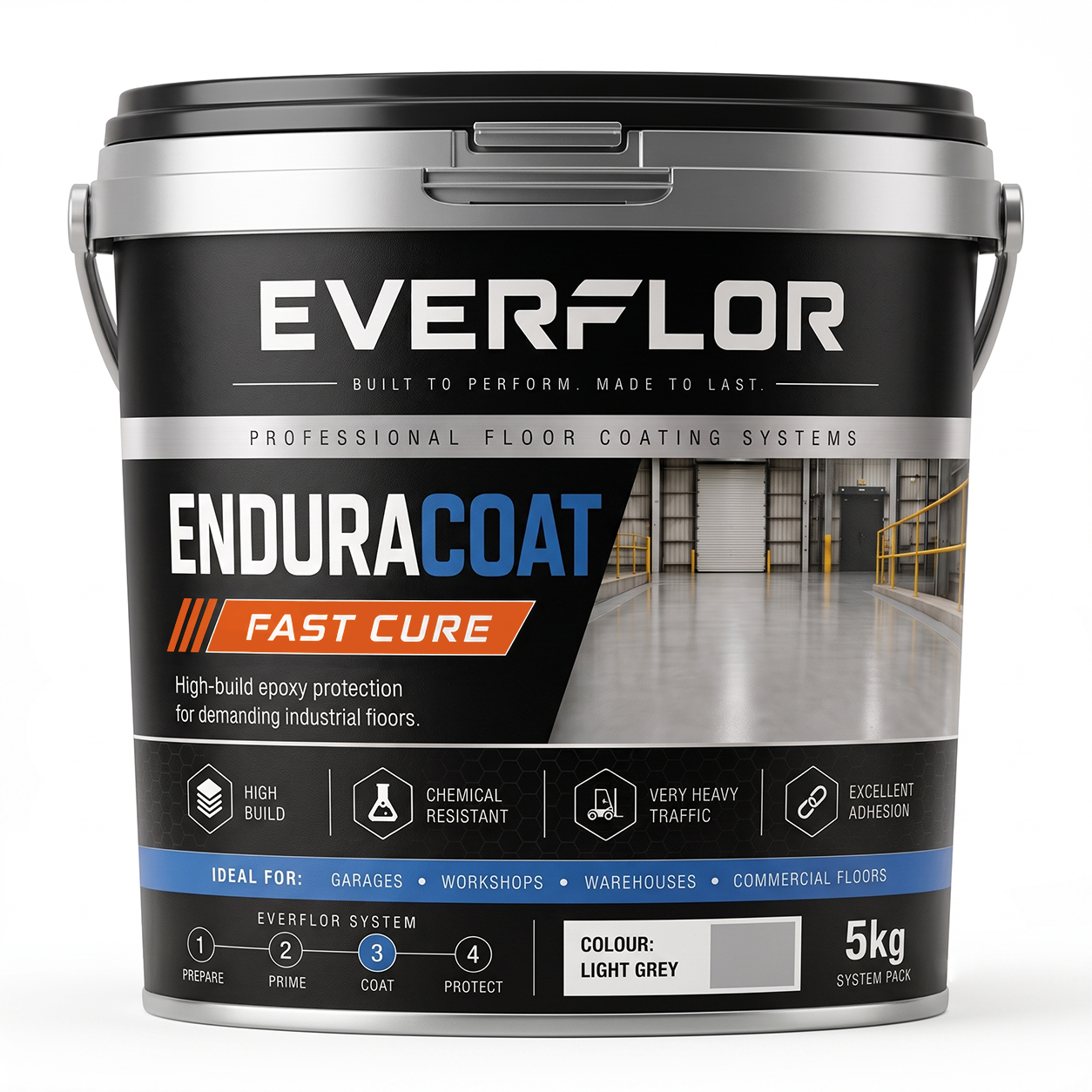
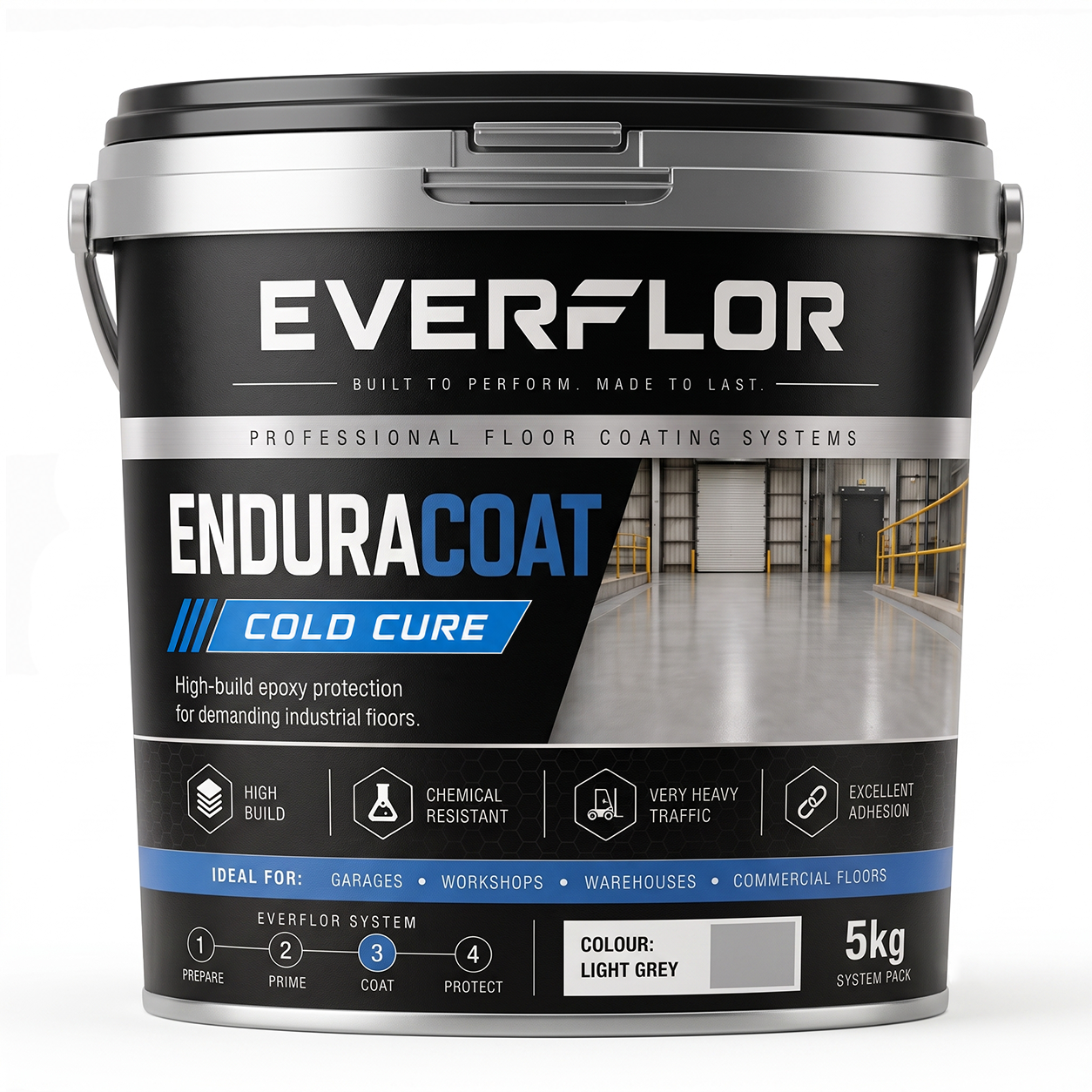
EVEREST Everflor repair and preparation products utilise epoxy, polyurethane, and acrylic technologies depending on the required performance and installation conditions. These systems bond strongly to prepared mineral substrates and allow damaged areas to be rebuilt or stabilised prior to the application of floor paints, safety coatings, or traffic markings.
Repair and preparation systems therefore form a critical stage within many flooring refurbishment and maintenance programmes.
Suitable Substrates & Surface Preparation
Concrete and asphalt are the most common substrates requiring repair and preparation before coating application. Surface damage can occur through heavy traffic, impact loading, freeze–thaw cycles, or gradual wear over time.
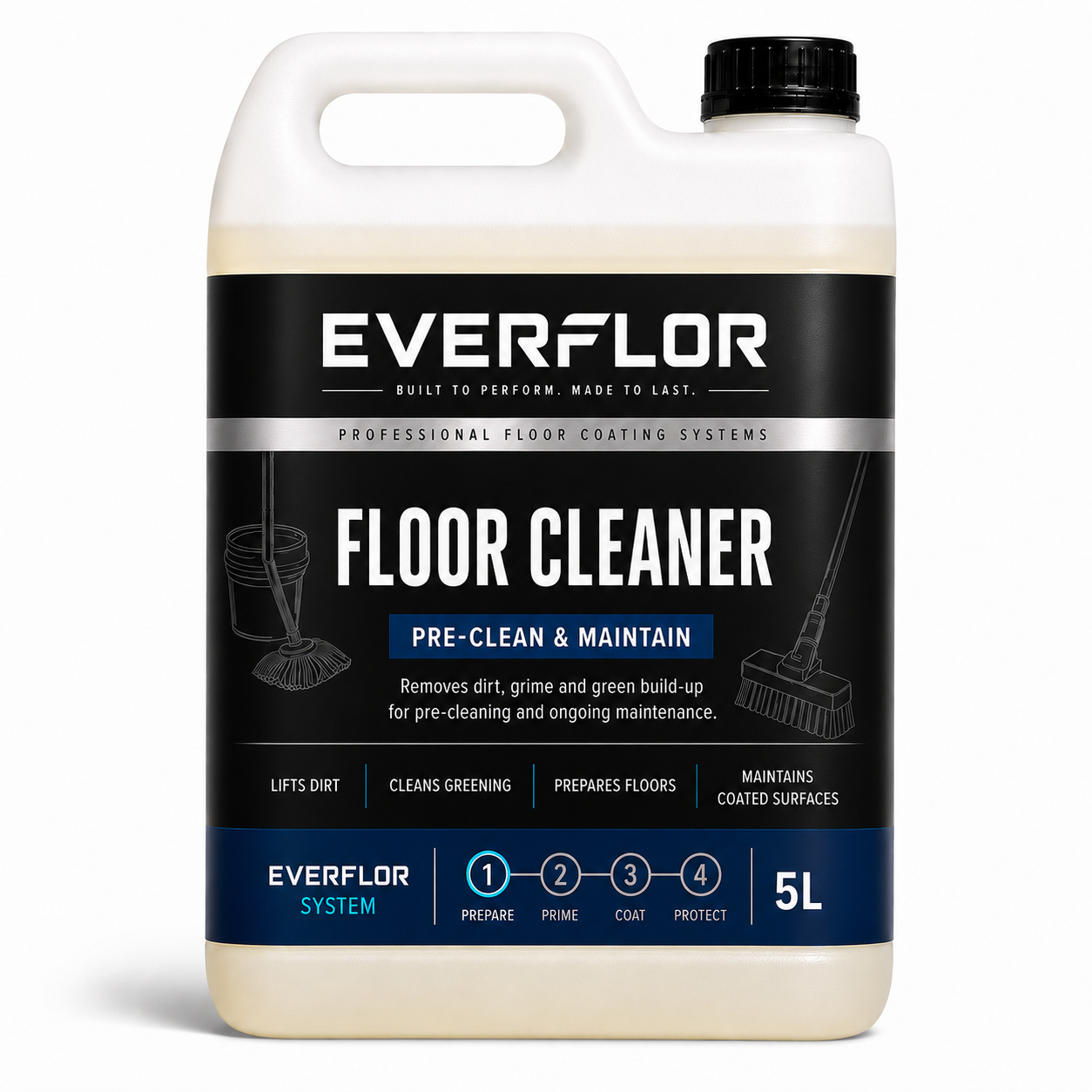
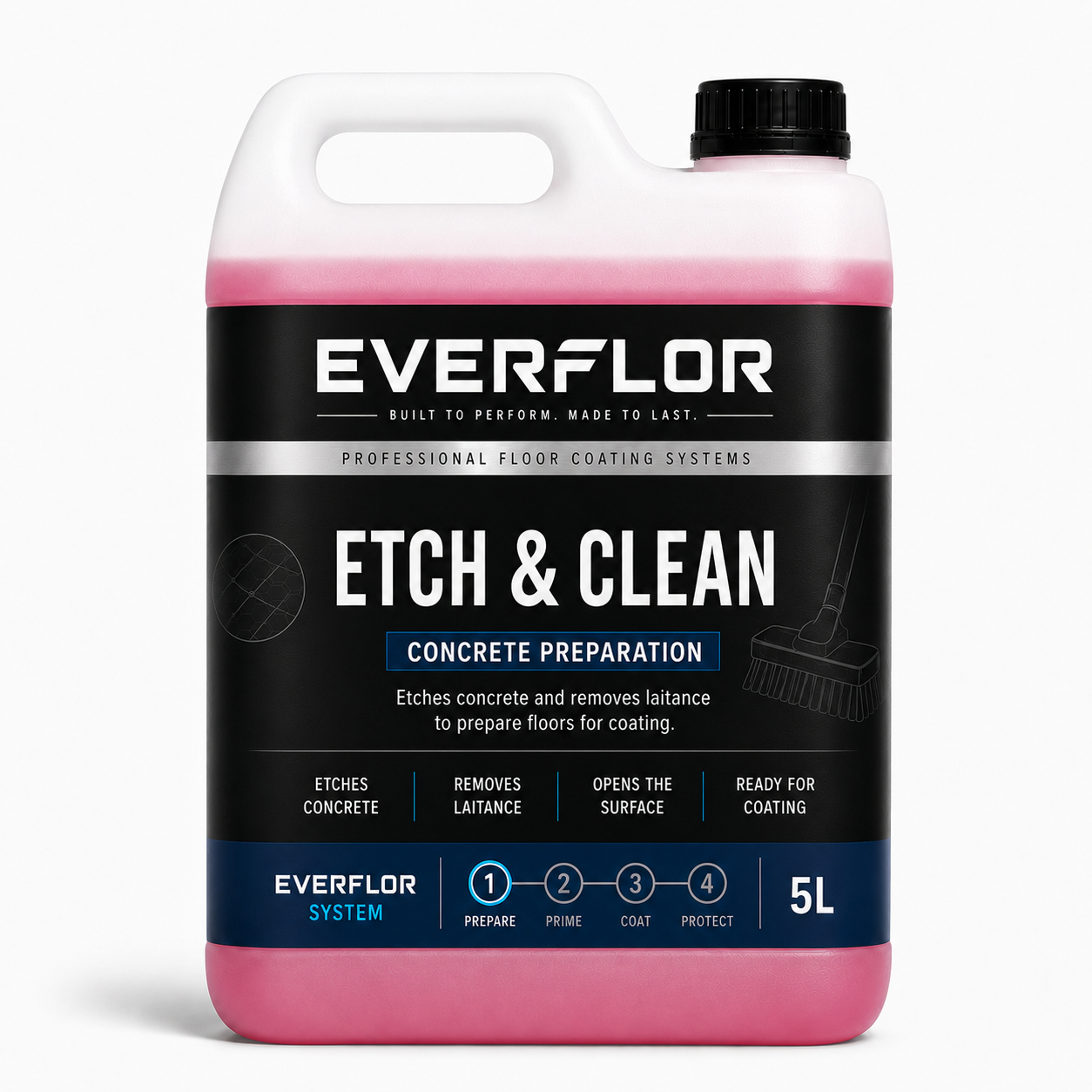
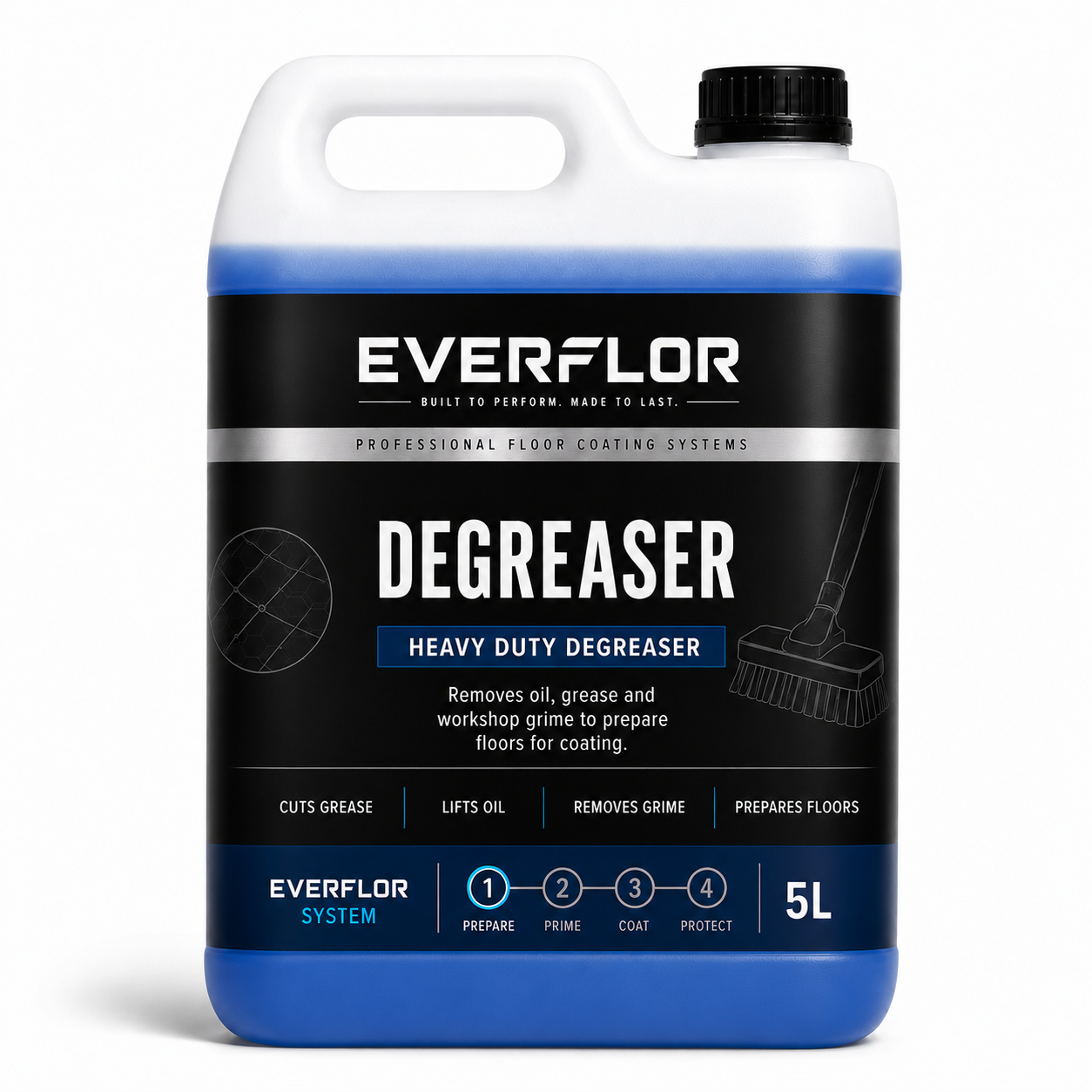
Before applying repair materials, the affected area must be cleaned thoroughly to remove dust, oil contamination, loose material, and deteriorated substrate. Mechanical preparation methods such as grinding, cutting, or abrasion are often used to remove weak concrete and create a stable base for the repair system.
Cracks, surface voids, and damaged sections should be opened or prepared to ensure the repair compound can bond effectively with the underlying material. Proper preparation improves mechanical bonding and reduces the likelihood of repair failure under traffic conditions.
Asphalt surfaces should also be stable and free from loose aggregate before repairs are applied. Areas affected by structural movement or ongoing deterioration may require more extensive resurfacing before coatings can be installed.
Preparation methods should always be matched to the repair system and the intended finishing coating.
Performance Characteristics & Limitations
Surface repair and preparation systems are designed to restore the integrity of damaged flooring substrates before protective coatings are applied. Epoxy-based repair products typically provide strong adhesion and high compressive strength when used on prepared concrete.
Polyurethane repair systems may provide improved flexibility where substrates experience minor movement or vibration. Acrylic repair materials may be used for lighter duty repairs or surface preparation tasks where rapid installation is beneficial.
These products help recreate a stable surface profile that allows floor coatings, safety paints, or line markings to adhere properly and perform as intended.
However, repair products in this category are not generally intended to function as decorative or long-term exposed coatings. Their purpose is to rebuild or stabilise the substrate rather than provide a finished wearing surface.
Where floors experience severe structural damage or extremely heavy mechanical loading, specialist structural repair mortars or resurfacing systems may be required.
Internal vs External Considerations
Repair and preparation products may be used in both interior and exterior flooring environments depending on the selected resin system and environmental conditions.
Interior environments such as factories, warehouses, and workshops often require repair systems that cure reliably within operational spaces while providing strong mechanical performance once installed.
Exterior environments including car parks, service yards, and pedestrian walkways introduce additional exposure to moisture, temperature variation, and weathering. Repair materials used outdoors must therefore maintain adhesion and structural integrity under these conditions.
Environmental conditions during installation should always be considered to ensure correct curing and bonding of the repair material.
Selection Guidance & When to Specify Alternatives
Surface repair and preparation products are typically specified before applying floor paints, line marking systems, or safety coatings where the existing substrate shows signs of wear or damage. Restoring the integrity of the floor surface ensures that the subsequent coating system performs reliably.
These systems are widely used in warehouses, industrial facilities, car parks, loading bays, and pedestrian circulation areas where flooring surfaces experience regular mechanical wear.
However, where the substrate exhibits extensive structural damage or significant surface loss, more robust resurfacing or structural repair systems may be required. Specialist repair mortars and heavy-duty resurfacing products can provide improved durability in areas subjected to continuous traffic or heavy loading.
Selecting the appropriate repair system should consider the extent of substrate damage, the expected traffic level, and compatibility with the intended floor coating or marking system.