Made In Great Britain

Direct from our factory

Free Next Day Delivery

On orders over £750

Product Test Results

All product test results published

Expert Technical Advice

Call or chat with our team

4.9
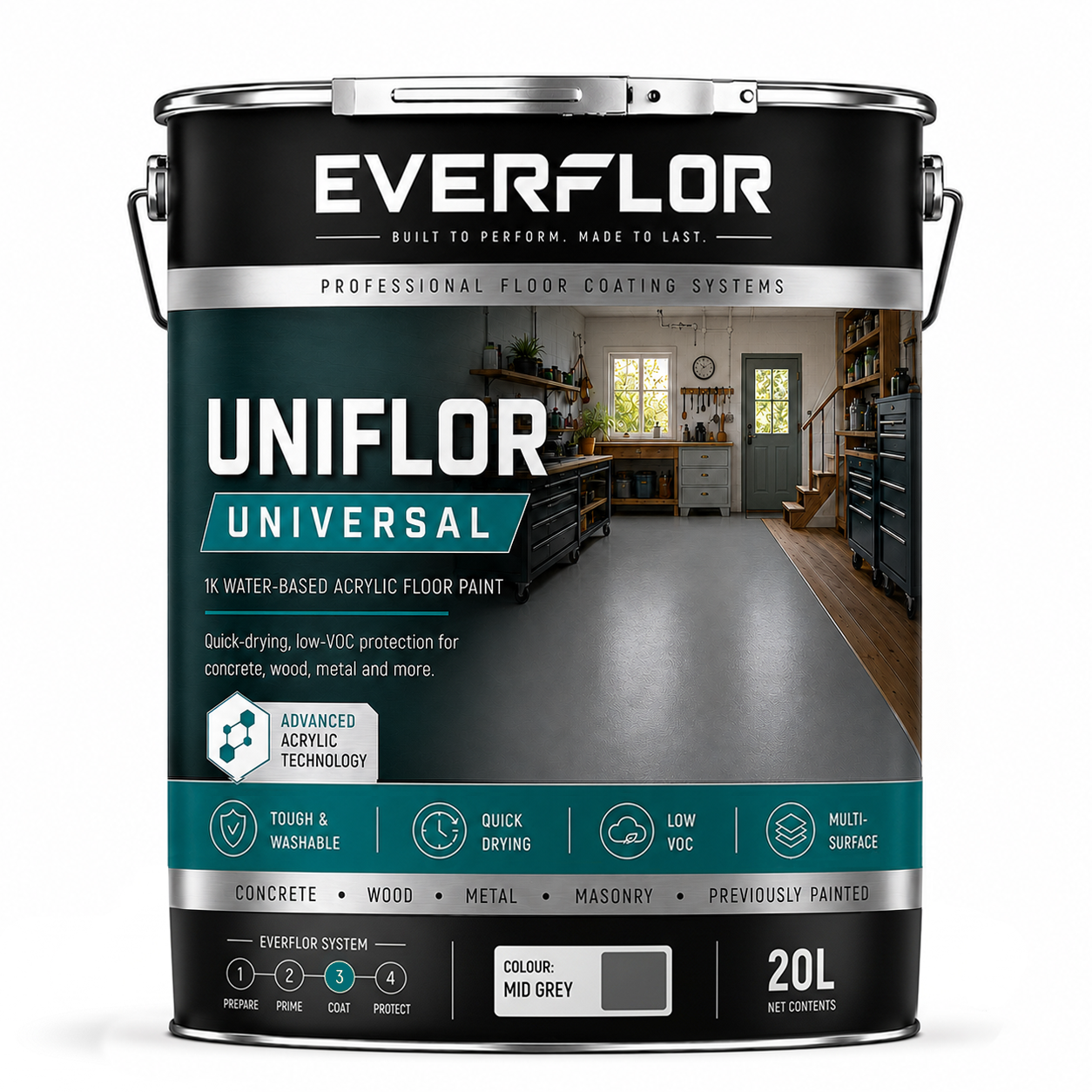
EverFlor - UniFlor - Floor Paint - Everest Paints
Marca:EverFlor
  • Negro
  • Gris Oscuro
  • Gris
  • Gris Claro
  • Amarillo
EverFlor - UniSeal - Concrete Sealer - Wetlook - Everest Paints
Marca:EverFlor
  • Negro
  • Gris Oscuro
  • Gris
  • Gris Claro
  • Amarillo
Destacado
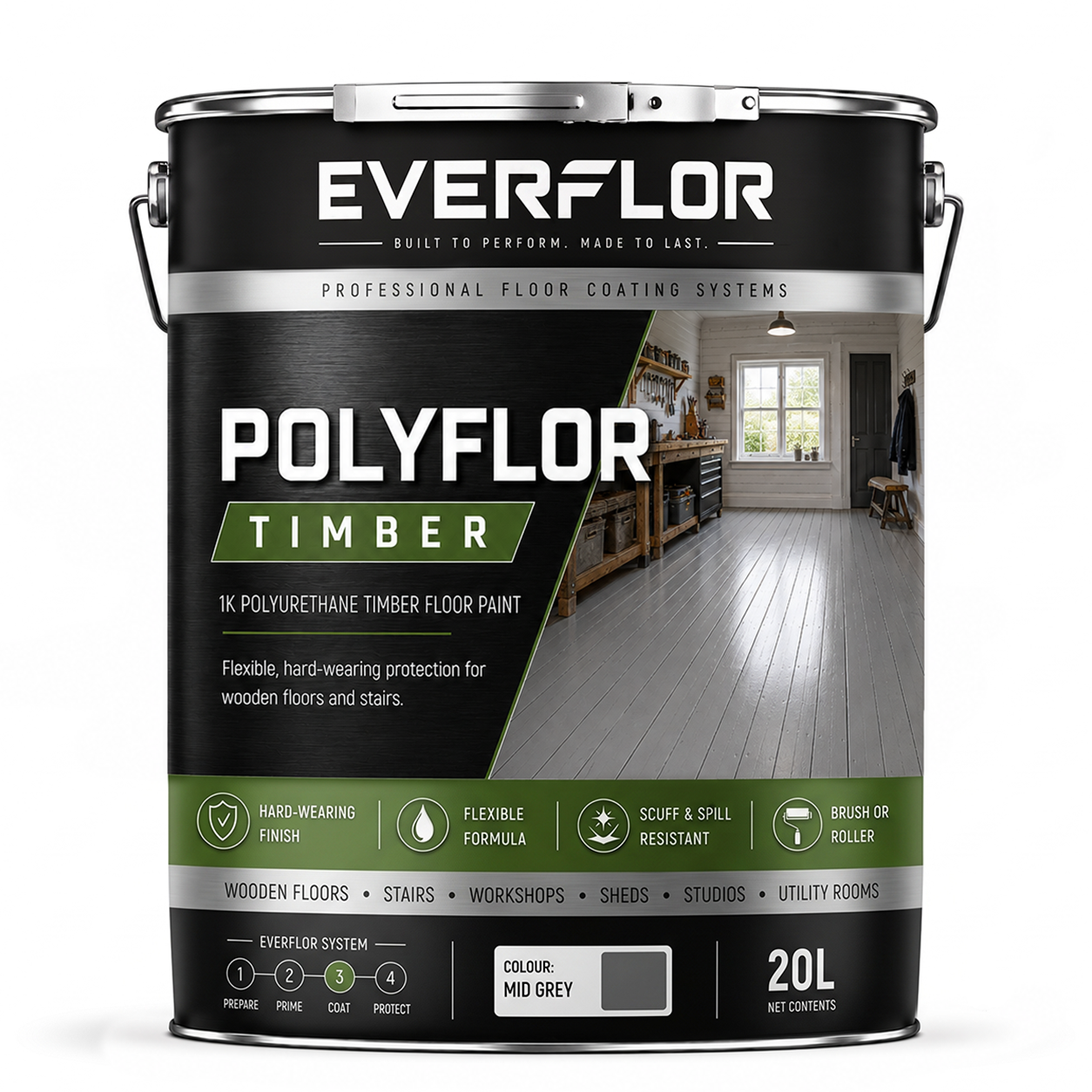
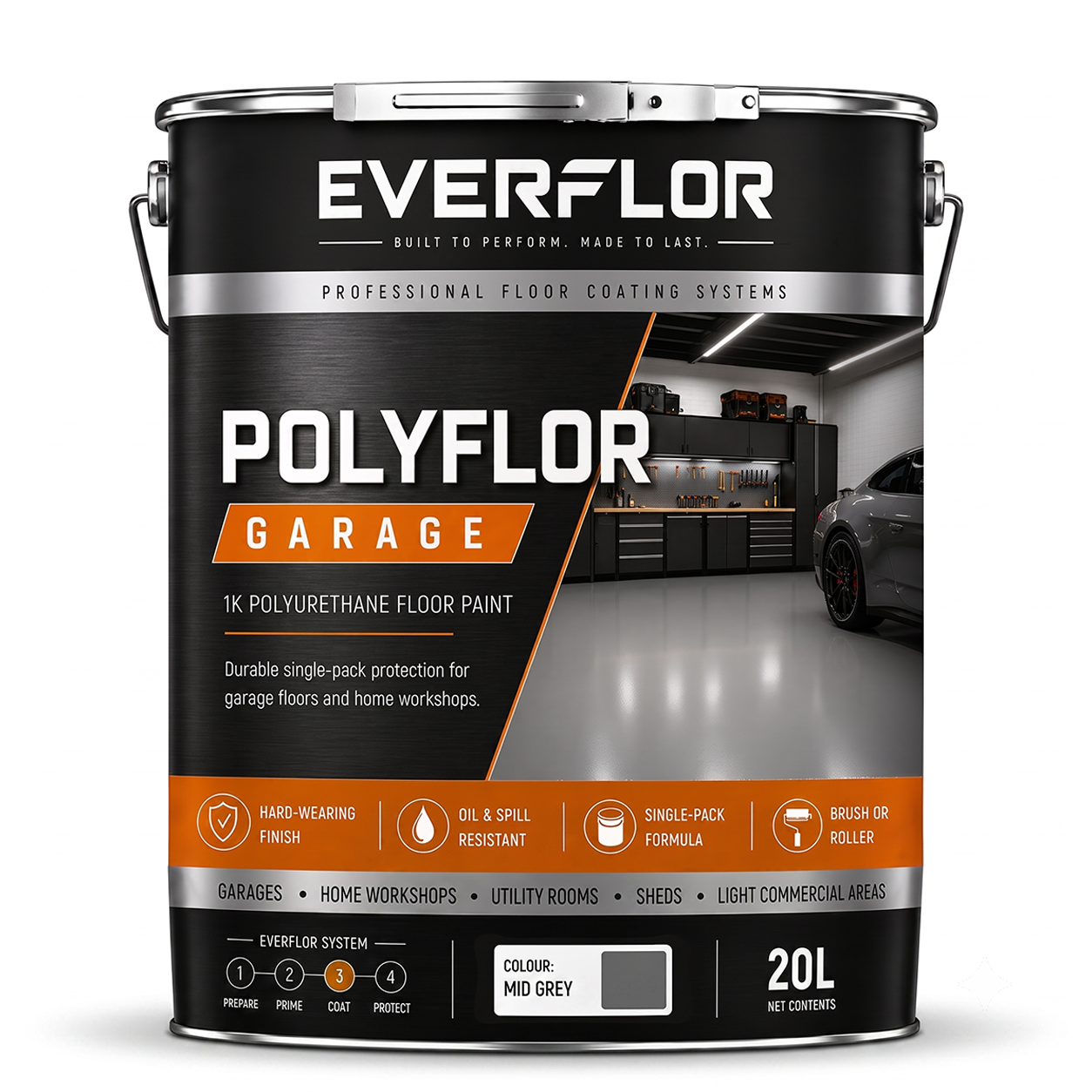
EverFlor - PolyFlor Timber - Floor Paint - Everest Paints
Marca:EverFlor
  • Negro
  • Gris Oscuro
  • Gris
  • Gris Claro
  • Blanco
4.9
Calidad Profesional
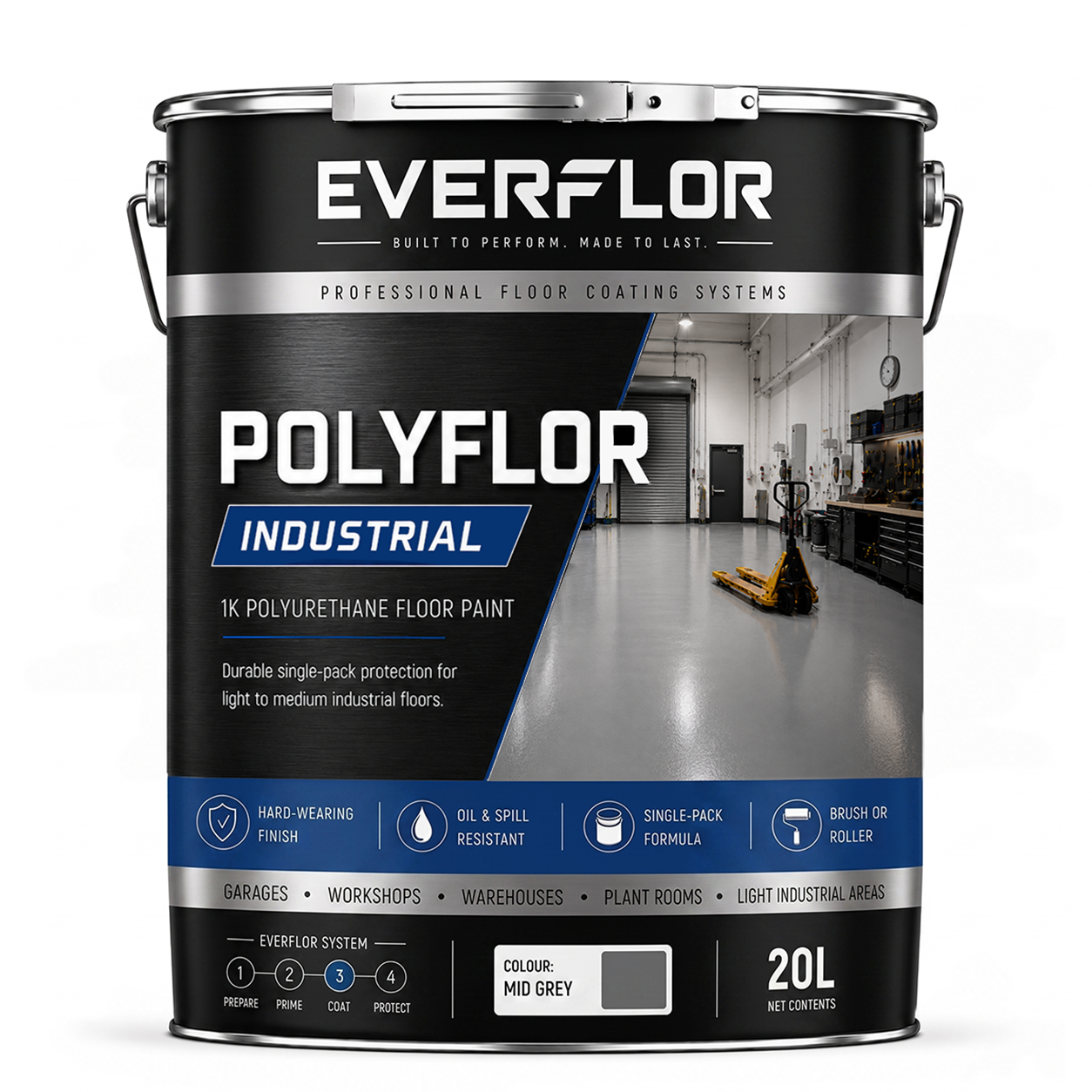
EverFlor - PolyFlor Industrial Floor Paint - Everest Paints
Marca:EverFlor
  • Negro
  • Gris Oscuro
  • Gris
  • Gris Claro
  • Blanco
Concrete surface with a crack and white patch

Bare or Porous Concrete?

Apply a Floor Primer First
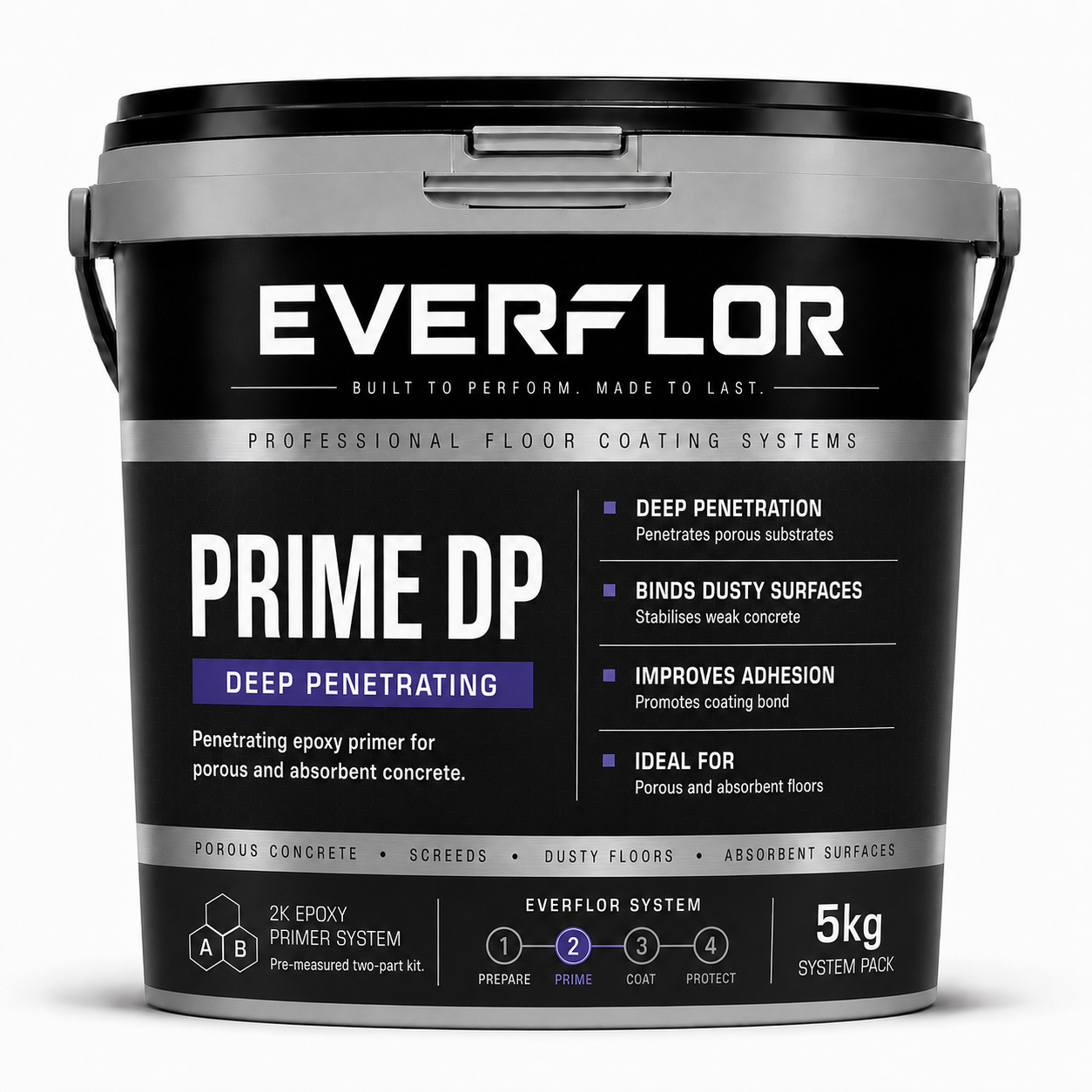
Interior floor paints rely on sealed, stable substrates for consistent adhesion. On porous or dusty concrete, apply a compatible floor primer such as Prime DP before the main coating system.

View Floor Primers
4.9
EverFlor - PolyFlor Industrial Floor Paint - Anti - Slip - Everest Paints
Marca:EverFlor
  • Negro
  • Gris Oscuro
  • Gris
  • Gris Claro
  • Blanco
4.8
Calidad Profesional
EverFlor - PolyFlor Garage Floor Paint - Anti - Slip - Everest Paints
Marca:EverFlor
  • Negro
  • Gris Oscuro
  • Gris
  • Gris Claro
  • Blanco
Calidad Profesional
EverFlor - PolyFlor Garage Floor Paint - Anti - Slip - Everest Paints
Marca:EverFlor
  • Negro
  • Gris Oscuro
  • Gris
  • Gris Claro
  • Blanco
5.0
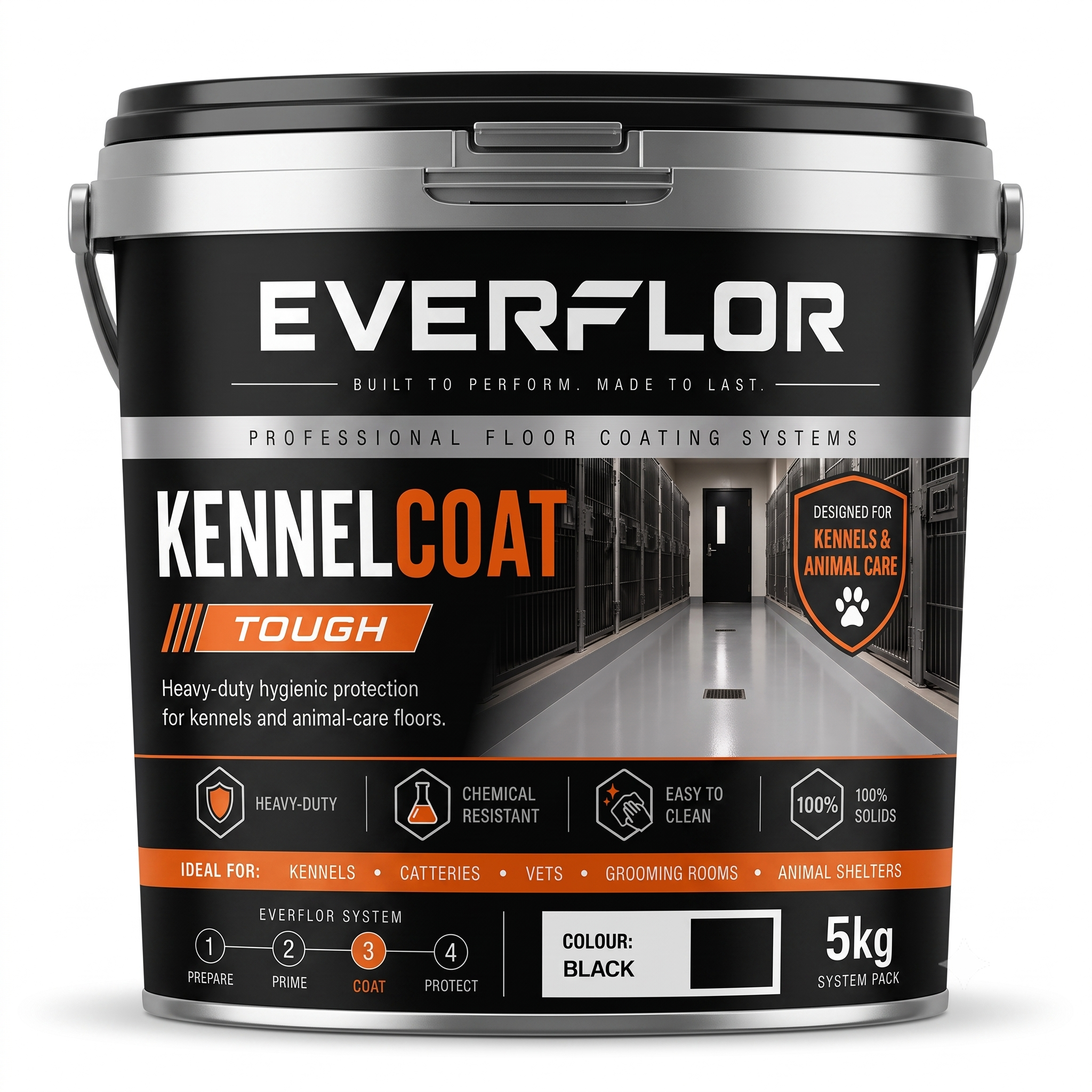
EverFlor - KennelCoat Tough - Everest Paints
Marca:EverFlor
  • Negro
  • Gris Oscuro (RAL 7012)
  • Gris (RAL 7004)
  • Gris Claro (RAL 7047)
  • Blanco
Agotado
EverFlor - UniSeal - Concrete Sealer - Wetlook - Everest Paints
Marca:EverFlor
  • Negro
  • Gris Oscuro (RAL 7012)
  • Gris (RAL 7004)
  • Gris Claro (RAL 7047)
  • Blanco
Two-Pack Epoxy

Industrial grade coating

100% Solids

Solvent free, no shrinkage

High Build Formula

Up to 5x thicker

Extreme Durability

Withstands heavy forklift traffic

Chemical Resistant

Resists oil, acids, alkalis

Gloss Finish

Easy-clean surface

Agotado
EverFlor - UniSeal - Concrete Sealer - Wetlook - Everest Paints
Marca:EverFlor
  • Black (RAL 9005)
  • Dark Grey (RAL 7016)
  • Mid Grey (RAL 7001)
  • Light Grey (RAL 7035)
  • Signal White (RAL 9003)
Agotado
EverFlor - UniSeal - Concrete Sealer - Wetlook - Everest Paints
Marca:EverFlor
  • Black (RAL 9005)
  • Dark Grey (RAL 7016)
  • Mid Grey (RAL 7001)
  • Light Grey (RAL 7035)
  • Signal White (RAL 9003)
Agotado
EverFlor - UniSeal - Concrete Sealer - Wetlook - Everest Paints
Marca:EverFlor
  • Black (RAL 9005)
  • Dark Grey (RAL 7016)
  • Mid Grey (RAL 7001)
  • Light Grey (RAL 7035)
  • Signal White (RAL 9003)
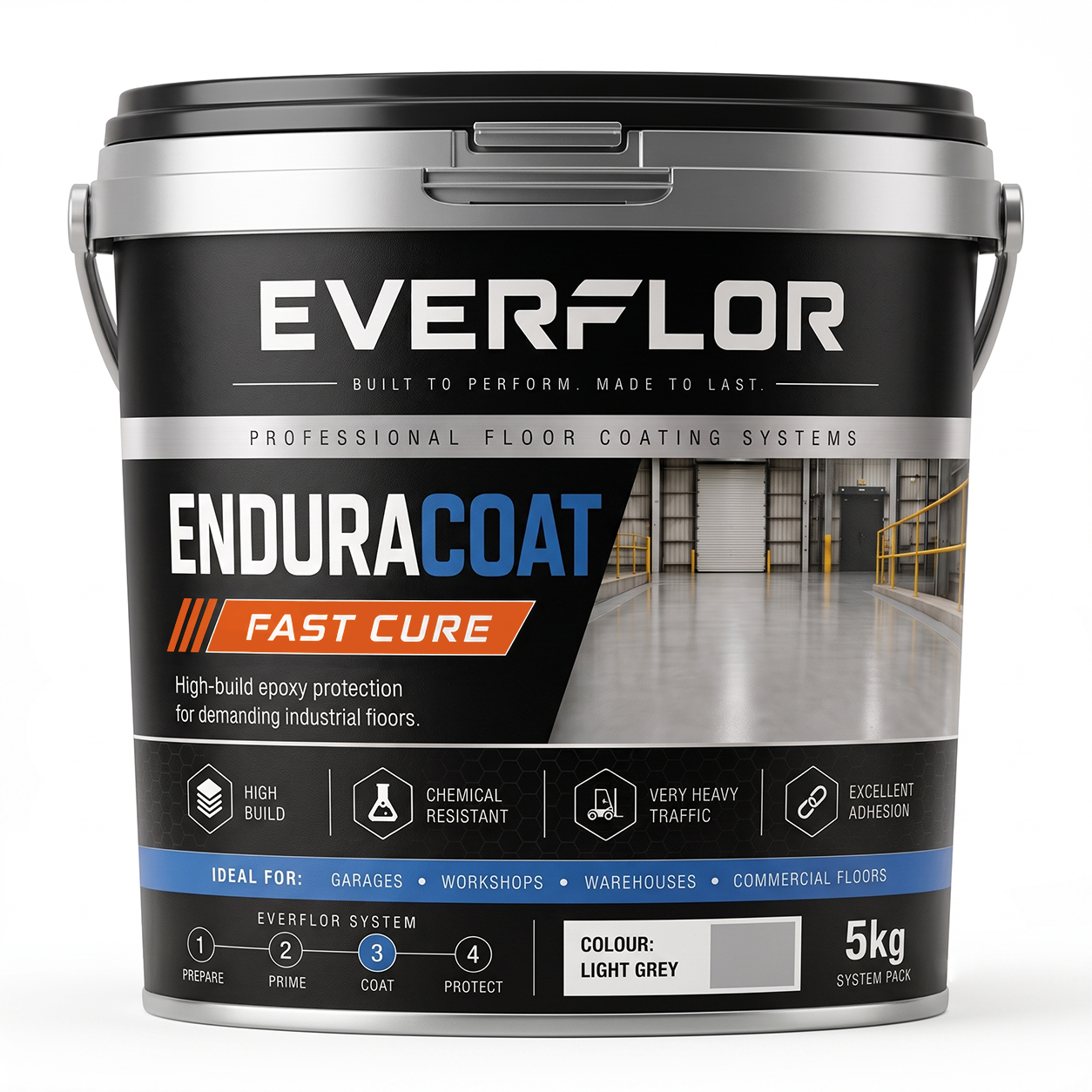
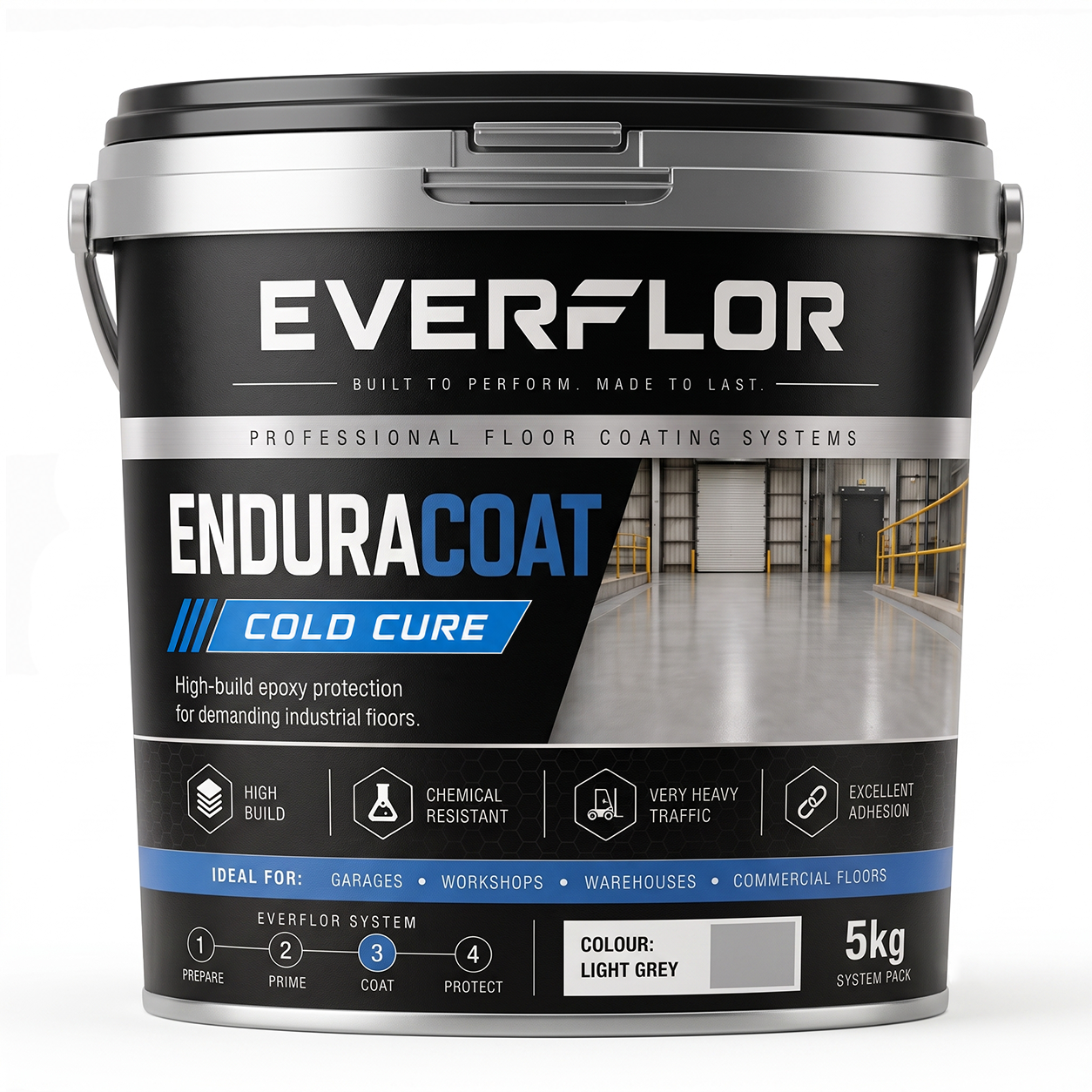
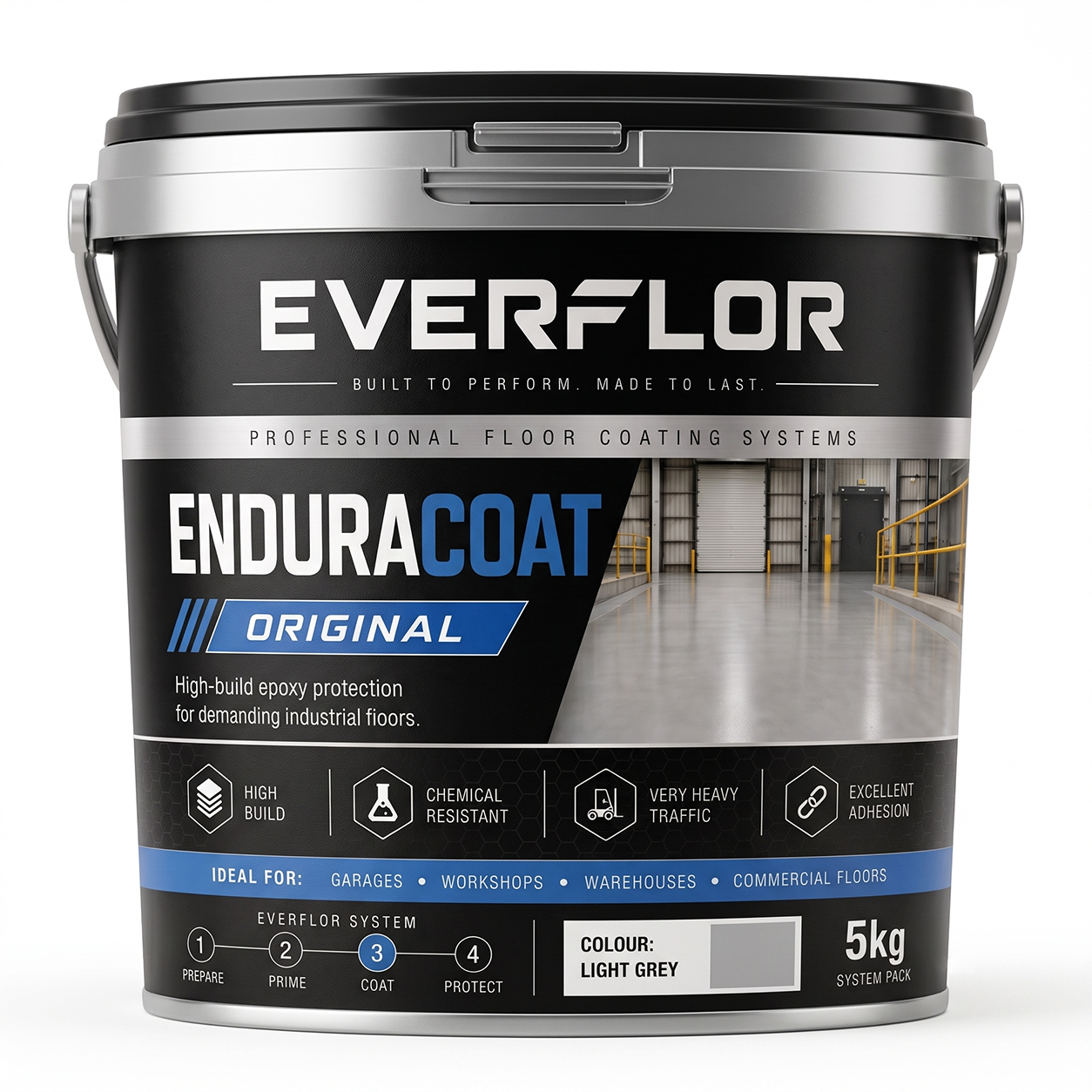
EverFlor - EnduraCoat HB - Everest Paints
Marca:EverFlor
  • Negro
  • Gris Oscuro (RAL 7012)
  • Gris (RAL 7004)
  • Gris Claro (RAL 7047)
  • Blanco
Two-Pack Epoxy

Industrial grade coating

100% Solids

Solvent free, no shrinkage

High Build Formula

Up to 5x thicker

Extreme Durability

Withstands heavy forklift traffic

Chemical Resistant

Resists oil, acids, alkalis

Gloss Finish

Easy-clean surface

EverFlor - UniSeal - Concrete Sealer - Wetlook - Everest Paints
Marca:EverFlor
  • Negro
  • Gris Oscuro (RAL 7012)
  • Gris (RAL 7004)
  • Gris Claro (RAL 7047)
  • Blanco
Two-Pack Epoxy

Industrial grade coating

100% Solids

Solvent free, no shrinkage

High Build Formula

Up to 5x thicker

Extreme Durability

Withstands heavy forklift traffic

Chemical Resistant

Resists oil, acids, alkalis

Gloss Finish

Easy-clean surface

Agotado
EverFlor - UniSeal - Concrete Sealer - Wetlook - Everest Paints
Marca:EverFlor
  • Negro
  • Gris Oscuro (RAL 7012)
  • Gris (RAL 7004)
  • Gris Claro (RAL 7047)
  • Blanco
Two-Pack Epoxy

Industrial grade coating

100% Solids

Solvent free, no shrinkage

High Build Formula

Up to 5x thicker

Extreme Durability

Withstands heavy forklift traffic

Chemical Resistant

Resists oil, acids, alkalis

Gloss Finish

Easy-clean surface

Agotado
EverFlor - UniSeal - Concrete Sealer - Wetlook - Everest Paints
Marca:EverFlor
  • Negro
  • Gris Oscuro (RAL 7012)
  • Gris (RAL 7004)
  • Gris Claro (RAL 7047)
  • Blanco
Two-Pack Epoxy

Industrial grade coating

100% Solids

Solvent free, no shrinkage

High Build Formula

Up to 5x thicker

Extreme Durability

Withstands heavy forklift traffic

Chemical Resistant

Resists oil, acids, alkalis

Gloss Finish

Easy-clean surface

Agotado
EverFlor - UniSeal - Concrete Sealer - Wetlook - Everest Paints
Marca:EverFlor
  • Negro
  • Gris Oscuro (RAL 7012)
  • Gris (RAL 7004)
  • Gris Claro (RAL 7047)
  • Blanco
Two-Pack Epoxy

Industrial grade coating

100% Solids

Solvent free, no shrinkage

High Build Formula

Up to 5x thicker

Extreme Durability

Withstands heavy forklift traffic

Chemical Resistant

Resists oil, acids, alkalis

Gloss Finish

Easy-clean surface

Agotado
EverFlor - UniSeal - Concrete Sealer - Wetlook - Everest Paints
Marca:EverFlor
  • Negro
  • Gris Oscuro (RAL 7012)
  • Gris (RAL 7004)
  • Gris Claro (RAL 7047)
  • Blanco
Two-Pack Epoxy

Industrial grade coating

100% Solids

Solvent free, no shrinkage

High Build Formula

Up to 5x thicker

Extreme Durability

Withstands heavy forklift traffic

Chemical Resistant

Resists oil, acids, alkalis

Gloss Finish

Easy-clean surface

Agotado
EverFlor - UniSeal - Concrete Sealer - Wetlook - Everest Paints
Marca:EverFlor
  • Black (RAL 9005)
  • Dark Grey (RAL 7016)
  • Mid Grey (RAL 7001)
  • Light Grey (RAL 7035)
  • Signal White (RAL 9003)
Agotado
EverFlor - UniSeal - Concrete Sealer - Wetlook - Everest Paints
Marca:EverFlor

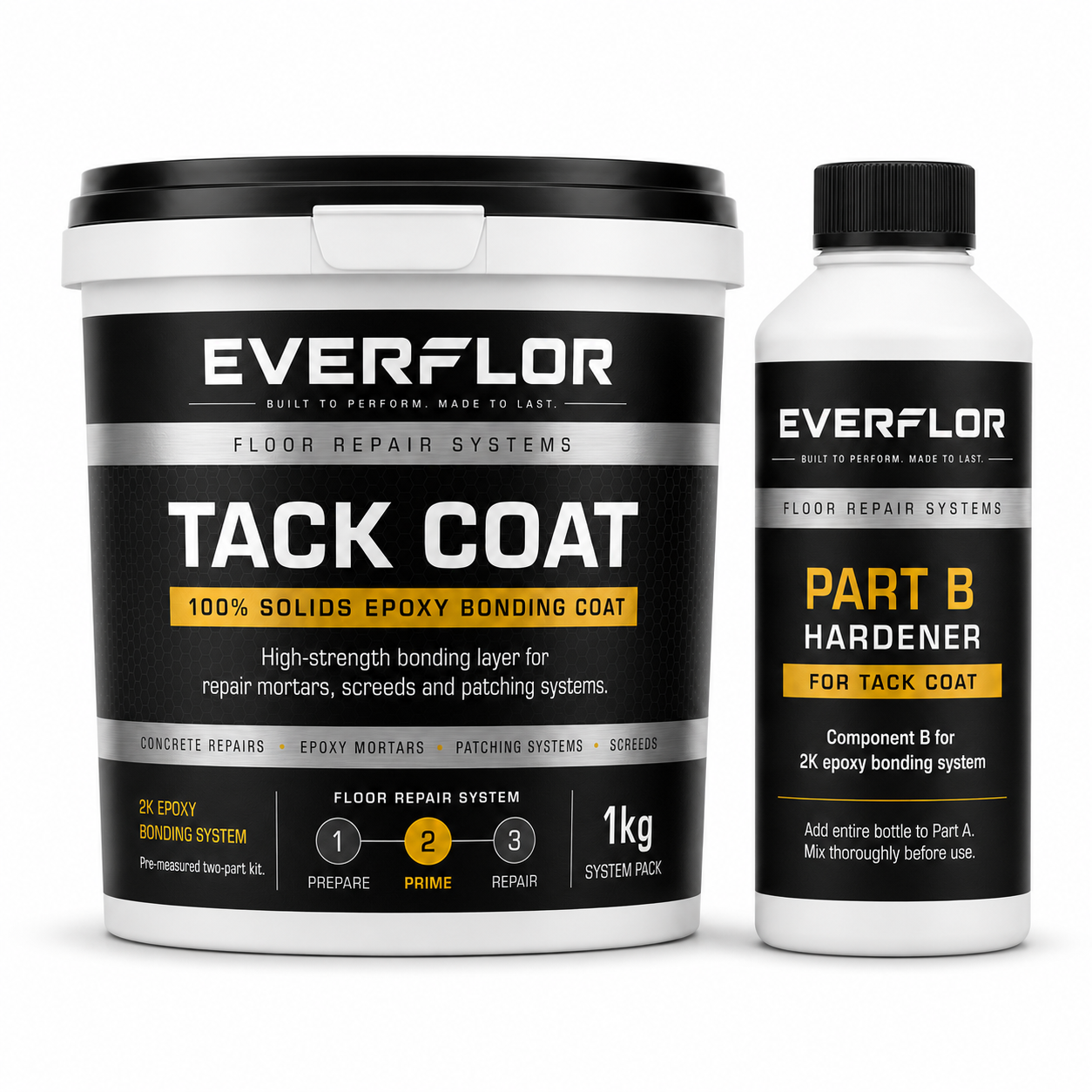
EverFlor - Tack Coat

A partir de €49,95
Agotado
EverFlor - UniSeal - Concrete Sealer - Wetlook - Everest Paints
Marca:EverFlor
  • Safety Yellow (RAL 1023)
  • Signal White (RAL 9003)
Agotado
EverFlor - UniSeal - Concrete Sealer - Wetlook - Everest Paints
Marca:EverFlor

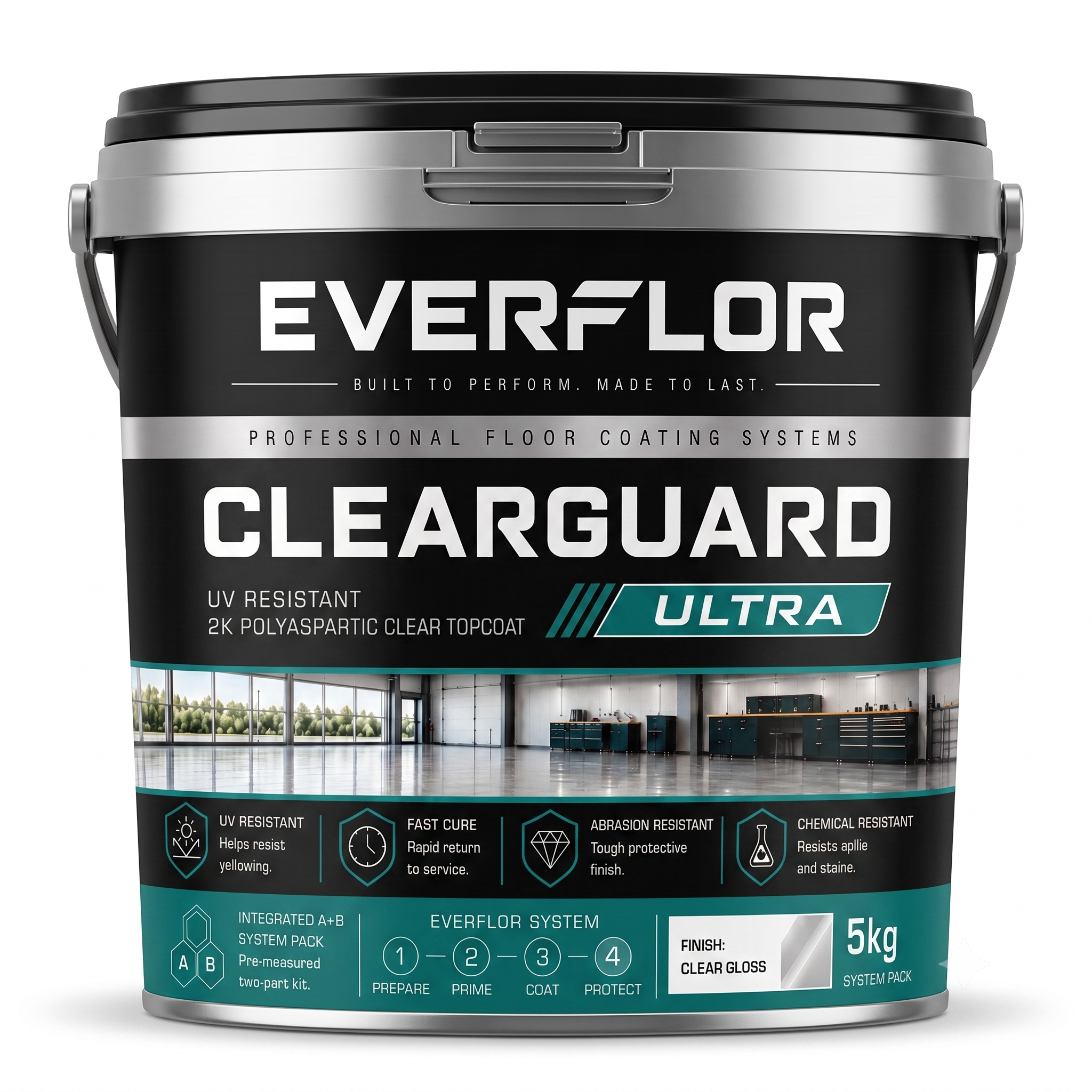
EverFlor - ClearGuard Ultra

A partir de €127,95
4.9
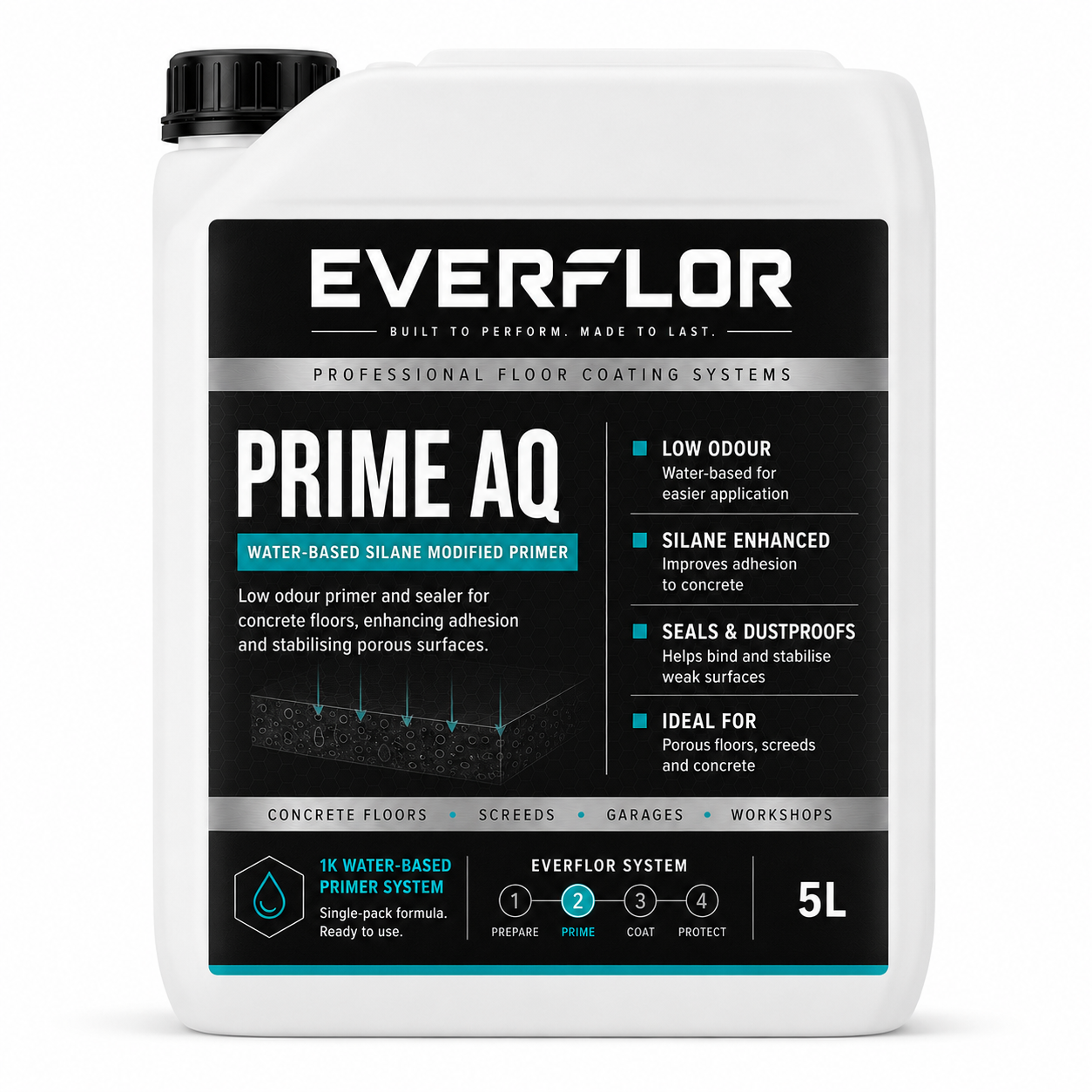
EverFlor - Prime AQ - Everest Paints
Marca:EverFlor
  • Transparente
Agotado
EverFlor - UniSeal - Concrete Sealer - Wetlook - Everest Paints
Marca:EverFlor
Agotado
EverFlor - UniSeal - Concrete Sealer - Wetlook - Everest Paints
Marca:EverFlor
Ahorra 2%Agotado
EverFlor - UniSeal - Concrete Sealer - Wetlook - Everest Paints
Marca:EverFlor

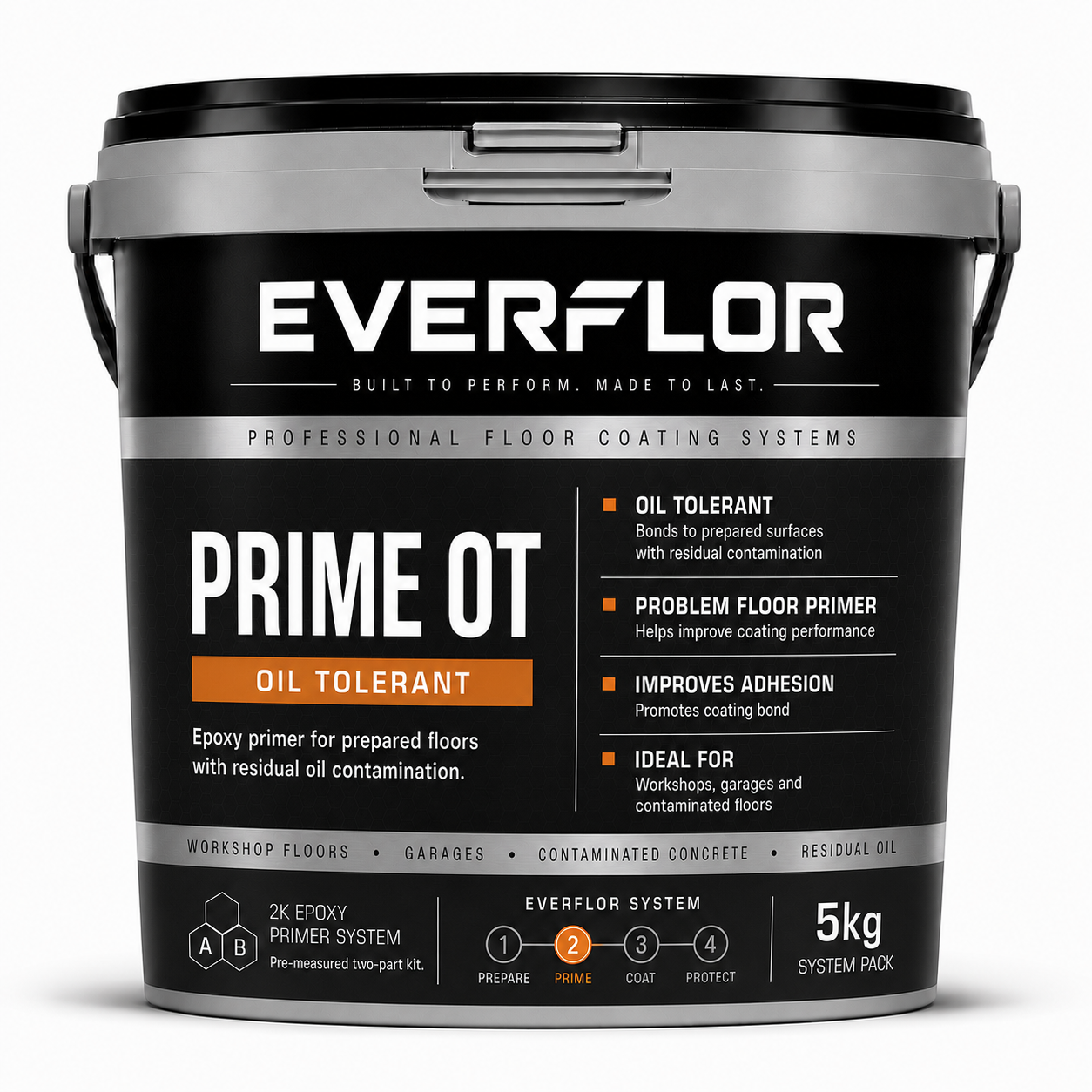
EverFlor - Prime OT

Precio de oferta€171,95Precio habitual €174,95
Agotado
EverFlor - UniSeal - Concrete Sealer - Wetlook - Everest Paints
Marca:EverFlor

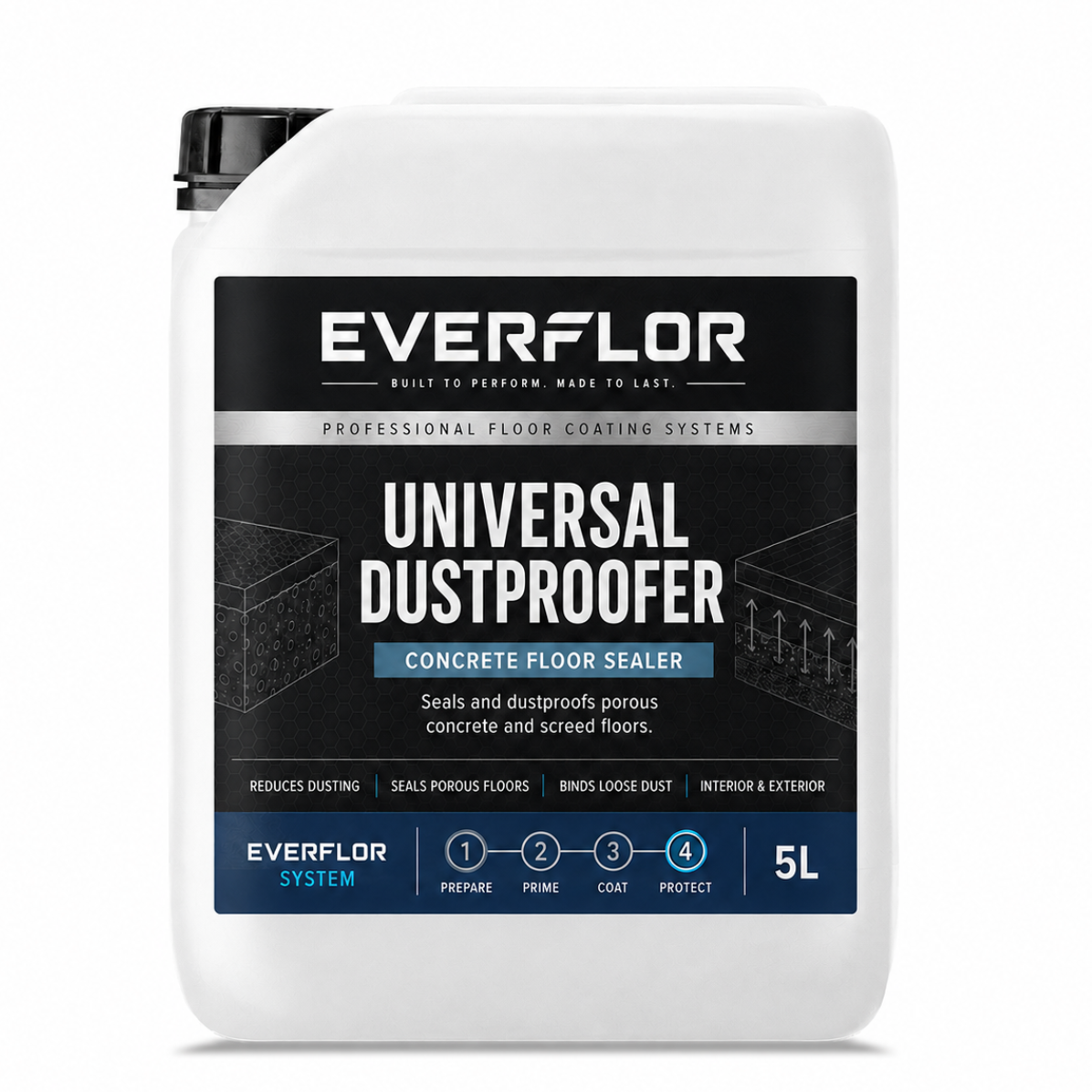
EverFlor - Universal Dustproofer

A partir de €70,95

Interior Floor Coatings for Concrete, Wood and Painted Floors

Duty classification:
Light to Heavy Duty
Suitable substrates:
Concrete Wood Previously painted floors

System Overview

For concrete, wood, and previously painted floors inside buildings, interior floor coatings provide a durable surface layer that protects the substrate from abrasion, contamination, and daily operational wear. These coatings create a sealed floor surface that improves cleanability while reducing dust generation from untreated mineral floors.

Interior floor paints are commonly specified in warehouses, workshops, garages, service corridors, and plant rooms where bare concrete or timber floors would otherwise deteriorate under routine use. The coating system forms a protective barrier that resists pedestrian traffic, equipment movement, and light vehicle activity depending on the resin technology selected.

EVEREST Everflor interior floor coatings utilise water-based acrylic, single-pack polyurethane, and solvent-free epoxy technologies to accommodate a wide range of service conditions. Acrylic systems are typically selected for lighter-duty environments where ease of application and breathability are beneficial, while polyurethane and epoxy coatings provide increased abrasion resistance and stronger adhesion to prepared substrates.

Selecting the appropriate interior floor system requires evaluating the condition of the existing floor, expected traffic levels, and environmental conditions within the building.

Suitable Substrates & Surface Preparation

Concrete floors are the most common substrate for interior floor coatings. Proper surface preparation is essential to ensure the coating bonds effectively and performs reliably over time.

Concrete substrates should be clean, dry, and free from grease, oil contamination, dust, and curing compounds. Mechanical preparation methods such as grinding or abrasion may be necessary to remove weak surface layers and create a suitable surface profile for coating adhesion.

Where concrete surfaces are highly porous or prone to dusting, the use of compatible floor primers or sealers may help regulate absorption and stabilise the substrate prior to applying the coating system.

Timber floors within workshops or utility spaces can also be coated where the substrate remains structurally stable. Wood surfaces should be dry and free from loose coatings or degraded fibres. Sanding may be required to produce a uniform surface suitable for coating application.

Previously painted floors may be recoated where the existing coating remains sound and well adhered. Loose or failing coatings should be removed, and the surface lightly abraded to improve intercoat adhesion before applying a new coating layer.

Moisture within concrete substrates should also be assessed, particularly when applying epoxy-based systems that rely on proper curing conditions.

Performance Characteristics & Limitations

Interior floor paints provide a protective film that improves the durability and maintainability of floor surfaces within operational environments. The coating layer helps protect concrete from abrasion caused by foot traffic, wheeled equipment, and light vehicle movement.

Water-based acrylic floor coatings are often used in areas with lighter service demands. These systems can reduce dusting on concrete floors while providing an economical maintenance coating for storage rooms and utility areas.

Single-pack polyurethane coatings offer improved abrasion resistance compared with standard acrylic paints and may be used where moderate mechanical wear is expected.

Solvent-free epoxy floor coatings provide the highest level of durability within this category. Their strong adhesion and chemical resistance make them suitable for workshops, garages, and operational areas where oil contamination or heavier traffic may occur.

Despite these advantages, lighter duty coating systems may not withstand continuous heavy vehicle traffic or aggressive industrial use without upgrading to higher-build epoxy systems.

Internal vs External Considerations

Interior floor coatings are formulated specifically for internal environments and are not generally intended for exterior exposure. These coatings are designed to perform within controlled indoor conditions where weather exposure is limited.

Within interior spaces such as warehouses, workshops, and garages, coatings must withstand abrasion, occasional chemical contact, and routine cleaning processes. Floor systems selected for these environments should provide sufficient durability while maintaining adhesion under operational conditions.

Because interior spaces often involve enclosed working environments, coating technologies may also be selected for their lower odour or easier application characteristics.

Where floors extend to external areas such as loading bays or outdoor circulation zones, specialist exterior floor coating systems may be more appropriate.

Selection Guidance & When to Specify Alternatives

Interior floor paints are typically specified for refurbishment and maintenance of concrete or timber floors inside buildings where improved durability and easier maintenance are required. They provide a practical solution for converting bare concrete floors into sealed, maintainable surfaces across commercial, residential, and light industrial environments.

These coatings are suitable for garages, workshops, storage rooms, corridors, and plant areas where moderate to heavy pedestrian or light vehicle traffic occurs.

However, where floors are exposed to continuous heavy forklift traffic, aggressive chemical exposure, or demanding industrial processes, more robust floor systems may be required. High-build epoxy coatings or specialist industrial flooring systems can provide greater film thickness, enhanced chemical resistance, and longer service life under demanding conditions.

Correct system selection should therefore consider traffic intensity, substrate condition, and the operational demands of the interior environment to ensure the coating system performs reliably over time.

Compare Epoxy Floor Systems

Interior Floor Paints FAQs

View All FAQ's

Technical Guidance & Application Advice

Interior floor coatings must be selected according to substrate type, expected traffic levels, and exposure to oils or general wear. Proper surface preparation and moisture assessment are important to ensure reliable adhesion to concrete, timber, or previously coated floors. Acrylic, polyurethane, and epoxy floor coatings each provide different durability characteristics, and system selection should reflect the operational demands of the interior environment.

How should concrete floors be prepared before applying interior floor paint?

Concrete floors should be clean, dry, and free from dust, grease, curing compounds, and weak surface laitance before coating. Mechanical preparation such as grinding or abrasion is often recommended to open the concrete surface and promote coating adhesion. Oil contamination should be removed using suitable degreasers, particularly in garages or workshops. Any loose or deteriorated previous coatings should be removed prior to application to ensure the new floor paint bonds directly with a stable substrate.

Can interior floor paint be applied over previously painted floors?

Interior floor coatings can often be applied over existing paint provided the previous coating remains firmly adhered and structurally sound. The surface should be thoroughly cleaned and lightly abraded to create a mechanical key for the new coating. Areas where the existing coating has failed, blistered, or flaked should be removed before repainting. Where the original coating type is unknown, testing a small area may help confirm compatibility before full application.

What types of resin systems are commonly used for interior floor paints?

Interior floor paints may be formulated using water-based acrylic, single-component polyurethane, or epoxy resin technologies. Acrylic coatings are often used in lighter duty environments where ease of application and faster drying are beneficial. Polyurethane systems can offer improved abrasion resistance, while solvent-free epoxy coatings are commonly selected where greater durability, chemical resistance, and stronger adhesion to concrete are required.

Are interior floor coatings suitable for areas with vehicle traffic?

Some interior floor coatings, particularly epoxy and certain polyurethane systems, can provide sufficient durability for areas exposed to light vehicle traffic such as garages or service bays. However, the system build-up and film thickness should reflect the level of mechanical stress expected. Lighter duty acrylic floor paints are generally more suitable for pedestrian areas, storage spaces, or utility rooms rather than continuous vehicle traffic environments.

Do interior floor coatings help reduce dust on concrete floors?

Concrete floors can generate dust over time as the surface gradually breaks down under foot traffic or mechanical use. Applying a floor coating helps seal the surface and bind loose particles, reducing dust generation and improving general cleanliness. This can be beneficial in environments such as storage areas, plant rooms, or workshops where dust control supports easier maintenance and improved working conditions.

How long should interior floor paint cure before the floor is used?

Drying and curing times vary depending on the coating type, temperature, humidity, and film thickness applied. Acrylic coatings may dry relatively quickly, while epoxy systems often require longer curing periods to develop full mechanical strength and chemical resistance. Floors should not be subjected to traffic until the coating has sufficiently cured, as premature use may damage the coating or reduce its long-term durability.

Didn’t find your answer?

Don't hestitate to contact us

Expert Advice & Guides

A few of our most recent guides applicable to this product range.

View Technical Hub

Esta secção não inclui de momento qualquer conteúdo. Adicione conteúdo a esta secção através da barra lateral.