
Guides and Posts
Of Products
Help Categories
Helpful Staff
Technical Guidance & Surface Solutions
Find the Correct Preparation or Fix
Search by surface type or problem to access the correct technical guide. From block paving and concrete to staining, algae and failed sealers, follow the right system for long-term performance.
- 0 opmerkingen
- door Sam Marriott
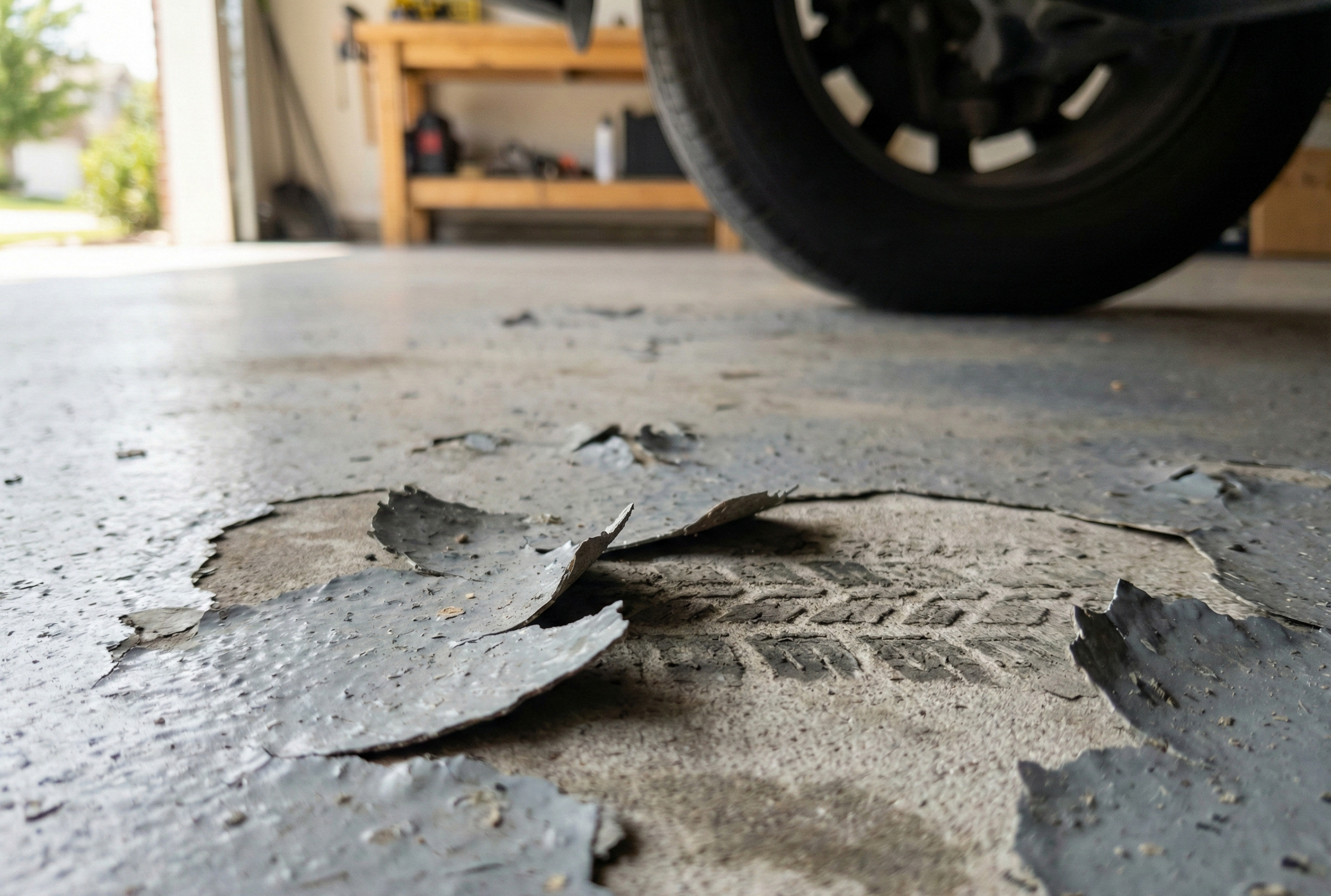
Car Tyres Pulling Paint Up? Hot Tyre Pickup: Why it Happens and How to Prevent It
- 0 opmerkingen
- door Sam Marriott
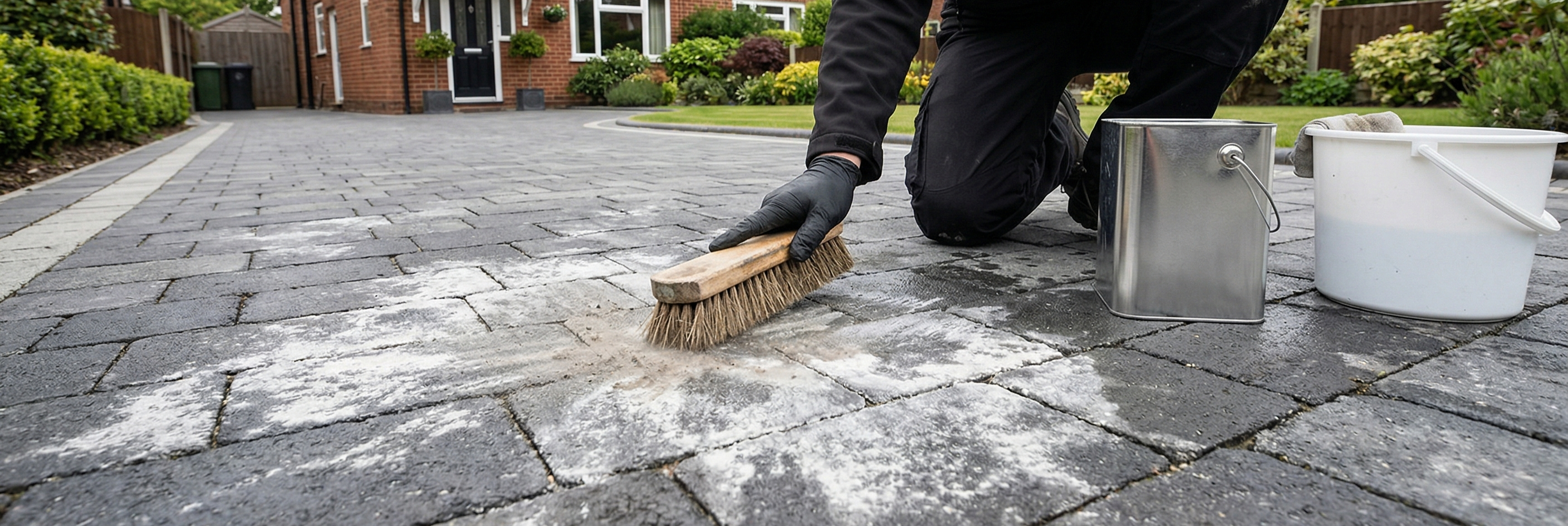
Do You Need to Remove Efflorescence Before Applying Sealers? White Salt on Block Paving
- 0 opmerkingen
- door Sam Marriott
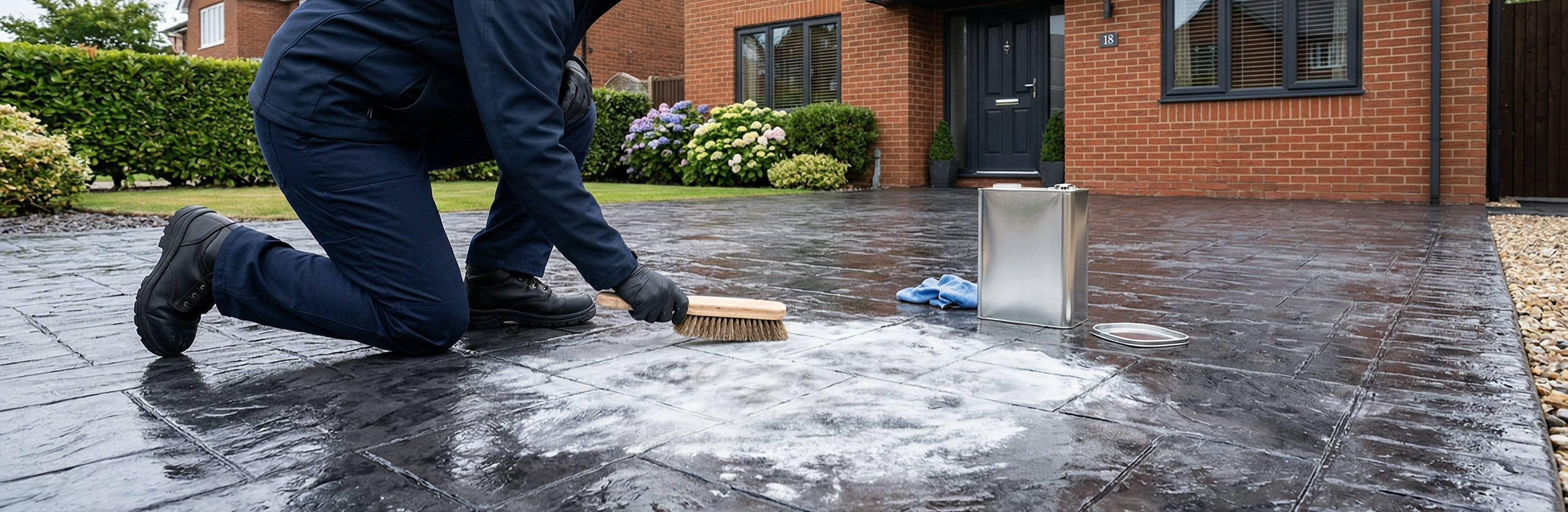
Sealer Bloom: Why Your Driveway Turned White & How to Fix It
No guides found matching your search.
Try a different keyword.
For Driveways, Patios & External Surfaces
Driveway & Patio Troubleshooting
Technical guides to diagnose common external surface issues and apply the correct remedial system. Covers sealers, staining, biological growth and surface degradation.
Car Tyres Pulling Paint Up? Hot Tyre Pickup: Why it Happens and How to Prevent It
Do You Need to Remove Efflorescence Before Applying Sealers? White Salt on Block Paving
Sealer Bloom: Why Your Driveway Turned White & How to Fix It
Common Surface & Sealer Issues Explained
Driveway & Patio Troubleshooting FAQ’s
ALGAE, MOSS & BIOLOGICAL GROWTH FAQ’s
External surfaces are exposed to moisture and organic growth. Algae, moss and lichen not only affect appearance but can also create slip hazards and degrade sealers.
Why does my patio keep going green?
Algae and moss grow in damp, shaded areas where moisture is retained. This is common on north-facing or poorly drained surfaces.
How do I remove algae from paving?
Use a suitable biocide or fungicidal wash to kill growth at the root. Pressure washing alone will not prevent regrowth.
Why does it come back so quickly?
If spores are not fully killed, regrowth will occur. Ongoing moisture and lack of sunlight accelerate recurrence.
Can I seal over algae?
No. All biological growth must be fully removed and treated before sealing.
Does sealing stop algae growth?
A good sealer can reduce water absorption and slow regrowth, but does not eliminate it entirely.
SEALER FAILURE & PEELING FAQ’s
Sealers can fail due to poor preparation, incorrect product selection or application to damp or contaminated surfaces.
Why is my sealer peeling or flaking?
This is usually caused by applying sealer to a damp surface, contamination, or using the wrong type of sealer for the substrate.
Can I apply sealer over old sealer?
Only if the existing coating is sound and compatible. Otherwise, it must be removed before reapplication.
How do I fix a failed sealer?
Remove all failed material, clean and prepare the surface thoroughly, then reapply the correct sealer system.
Does moisture cause sealer failure?
Yes. Trapped moisture can prevent curing and lead to whitening, peeling or delamination.
Can I just recoat over peeling areas?
No. All failing areas must be removed to ensure proper adhesion of the new system.
WHITENING, BLOOMING & HAZING FAQ’s
White or cloudy patches in sealers are typically caused by trapped moisture or incorrect curing conditions.
Why has my sealer turned white?
This is usually moisture trapped beneath the sealer or within the coating during curing.
Can weather cause sealer whitening?
Yes. Rain, high humidity or cold temperatures during application can cause blooming or hazing.
How do I fix a white or cloudy sealer?
In some cases, reactivation with solvent may help. Severe cases require removal and reapplication.
Can I prevent blooming?
Apply only in dry conditions, on fully dry substrates, and within recommended temperature ranges.
STAINS, OIL & CONTAMINATION FAQ’s
External surfaces are highly exposed to staining from vehicles, organic matter and environmental contaminants.
Will oil stains affect sealing?
Yes. Oil prevents penetration and bonding of sealers, leading to failure.
How do I remove oil from block paving?
Use a strong degreaser and repeat treatment if necessary. Deep stains may require mechanical cleaning.
Can I seal over stained paving?
Only if stains are fully removed or stabilised. Otherwise, they may show through or affect adhesion.
What causes black spots on patios?
Often organic growth or tannin staining from leaves and debris.
Does pressure washing remove all stains?
No. Chemical cleaning is often required for effective stain removal.
COLOUR LOSS & SURFACE WEAR FAQ’s
Exposure to UV, traffic and weathering gradually breaks down surface colour and protective coatings.
Why has my driveway lost its colour?
UV exposure and wear degrade pigments and surface coatings over time.
Can I restore faded paving?
Yes. Colour-enhancing sealers or coatings can restore and protect the surface.
Does sealing improve colour?
Many sealers enhance colour by deepening tones and providing a “wet look” finish.
Why does my surface look patchy?
Uneven absorption, previous coatings or inconsistent preparation can cause patchy appearance.
How often should I reseal a driveway?
Typically every 2–5 years depending on traffic, exposure and sealer type.

The Help & Technical Hub
Our coatings are backed by more than just performance — they’re supported by clear documentation, practical guides, and real technical support.
The Help & Technical Hub brings together preparation guides, application advice, FAQs, SDS & TDS downloads, and system recommendations to help you choose, apply, and maintain the right coating with confidence.