System Overview
For cladding, floors, metal, wood, and previously painted surfaces within industrial units and warehouse buildings, protective coating systems are used to improve durability, simplify maintenance, and restore ageing structures. Industrial facilities often contain a mixture of substrates across structural elements, service areas, and circulation zones, requiring coatings that can perform reliably on different materials.
Warehouses and industrial buildings typically experience varied environmental conditions including mechanical wear, moisture exposure, and routine cleaning. Bare or deteriorated surfaces can generate dust, develop corrosion, or suffer weather-related degradation if left unprotected. Protective coating systems help seal these surfaces while providing a maintainable and durable finish.
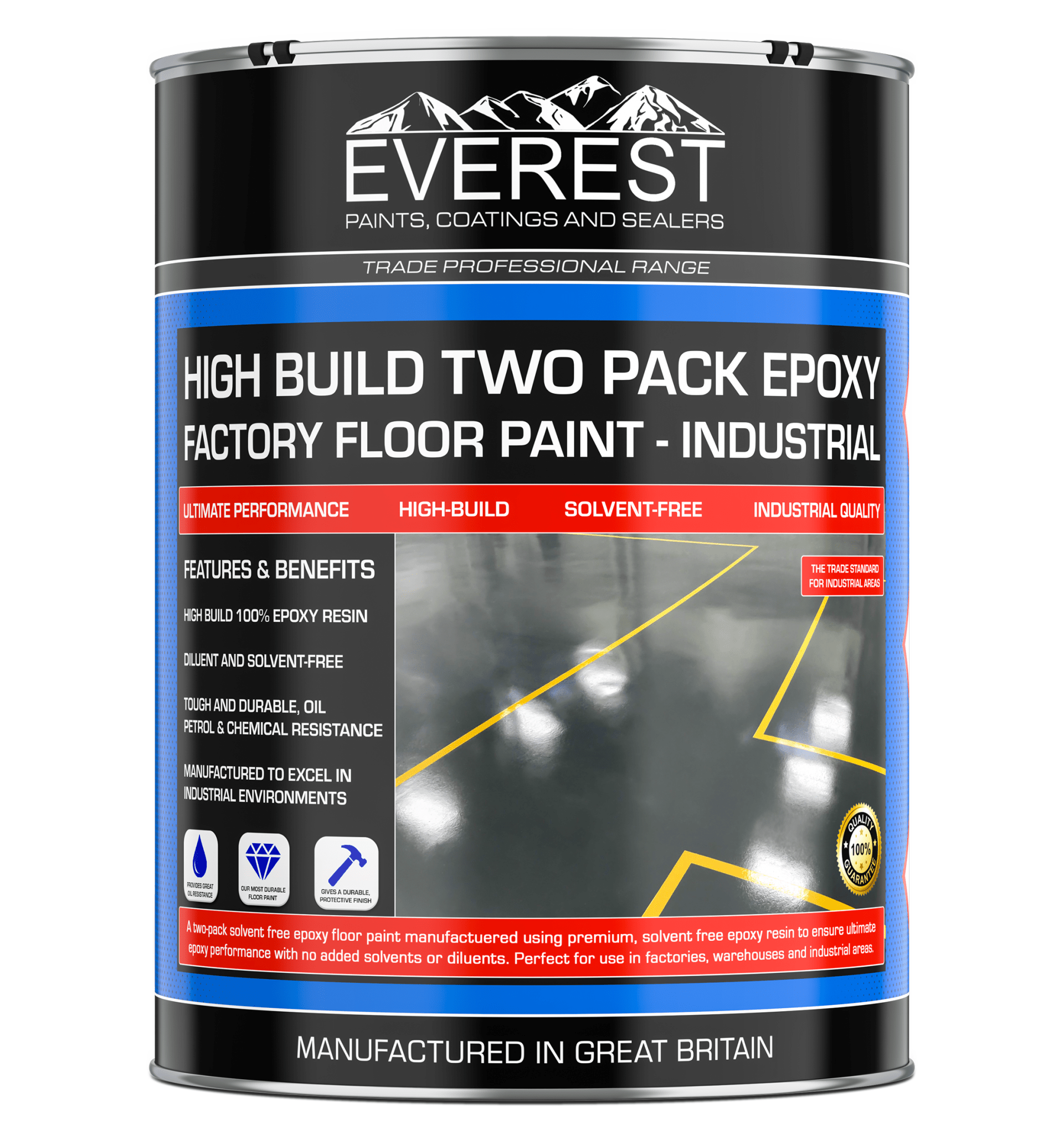
EVEREST and EVEREST Everflor coatings provide a range of options for industrial building refurbishment and maintenance. Acrylic, epoxy, oil-based, and polyurethane technologies allow different parts of the building to be coated using systems suited to their specific service conditions. Floor areas may require abrasion-resistant coatings, while cladding and structural components require weather-resistant protective finishes.
Correct coating selection should therefore be based on the substrate type and the operational demands of the facility.
Suitable Substrates & Surface Preparation
Industrial units and warehouse buildings incorporate multiple substrate types, each requiring appropriate preparation before coating.
Cladding systems, often constructed from steel or coated metal panels, should be cleaned to remove surface contamination such as dirt, oils, and environmental deposits. Where previous coatings have deteriorated, loose material should be removed before applying a new coating layer.
Concrete floors and cementitious surfaces within warehouses may require mechanical preparation to remove laitance, oil contamination, or worn coatings. Grinding, shot blasting, or other abrasive preparation methods can improve adhesion of industrial floor coatings.
Metal structures including frames, doors, railings, and structural supports must be inspected for corrosion before coating. Rust removal and suitable priming are commonly required where bare steel is exposed.
Timber elements such as doors or internal joinery should be dry, clean, and free from degraded coatings. Light abrasion is typically required to create a stable surface for repainting.
Previously painted surfaces across these substrates can often be recoated where the existing coating remains sound and properly bonded. Surface cleaning and light abrasion are generally recommended to improve intercoat adhesion.
Performance Characteristics & Limitations
Coating systems used in industrial buildings are designed to provide moderate to high levels of protection depending on the selected resin technology. These coatings improve surface durability while helping protect building materials from environmental exposure and operational wear.
Acrylic coatings are frequently used for cladding and building surfaces due to their weather resistance and ease of maintenance. They provide a protective film that helps shield exterior structures from moisture and UV exposure.
Epoxy coatings are commonly specified for floor areas where mechanical wear, vehicle traffic, and contamination from oils or chemicals may occur. Their strong adhesion and chemical resistance make them suitable for warehouse circulation zones and production areas.
Polyurethane coatings may provide enhanced abrasion resistance and flexibility where surfaces are exposed to mechanical wear or movement.
Oil-based coatings are often used for metal or timber elements where durable film formation and traditional finishing systems are required.
However, coating performance varies significantly depending on the system selected. Lighter-duty coatings such as standard acrylic paints may not provide sufficient durability for heavy traffic floor areas or highly demanding industrial environments.
Internal vs External Considerations
Industrial buildings include both internal operational spaces and exterior structural elements, each requiring coatings suited to their exposure conditions.
Exterior surfaces such as cladding panels, metal doors, and structural components must resist weather exposure including rainfall, temperature variation, and UV radiation. Coatings applied to these surfaces must provide reliable weather resistance while maintaining adhesion over time.
Internal surfaces including floors, service corridors, and production areas are often exposed to mechanical wear, equipment movement, and routine cleaning. These areas may require more durable coating systems capable of withstanding abrasion and operational activity.
Environmental conditions such as humidity, chemical exposure, and temperature changes within industrial facilities should also be considered when selecting coatings for internal surfaces.
Selection Guidance & When to Specify Alternatives
Coating systems for industrial units and warehouses are typically specified during refurbishment or maintenance programmes where building surfaces require protection and visual restoration. These systems allow multiple substrates within a facility to be maintained using compatible protective coatings.
They are suitable for warehouses, logistics centres, workshops, and storage facilities where surfaces must remain durable and maintainable under routine operational conditions.
However, certain areas within industrial facilities may require more specialised coating systems. Floors exposed to continuous heavy forklift traffic may require high-build epoxy systems designed for extreme abrasion resistance.
Similarly, exposed steel structures may benefit from dedicated anti-corrosion coatings where long-term protection is required in demanding environments.
Selecting the appropriate coating system should therefore consider the specific substrate, exposure conditions, and operational requirements of each part of the building to ensure reliable long-term performance.