


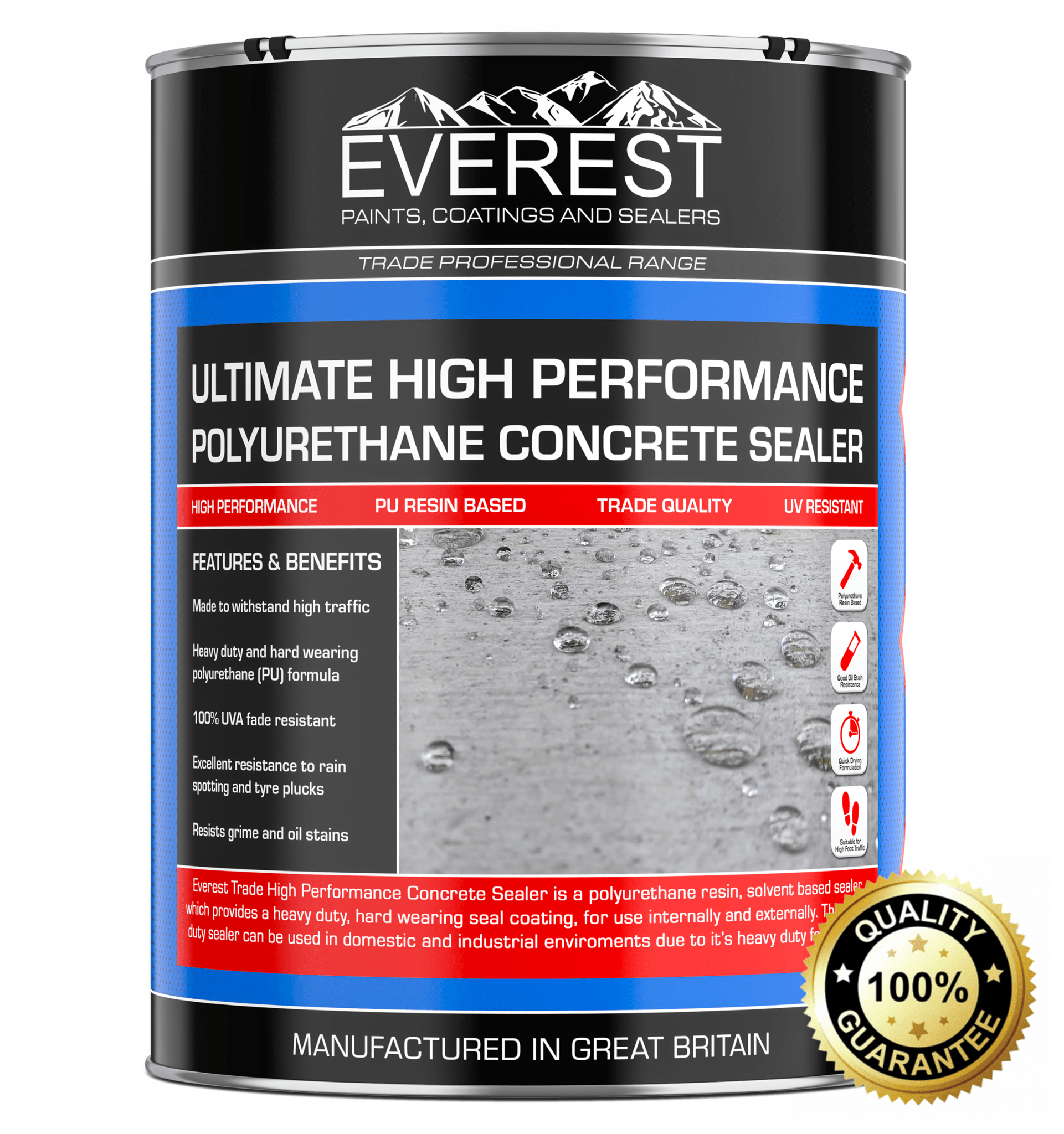


Everest Trade - Sigillante per calcestruzzo - A base di resina poliuretanica (PU) - Interno ed esterno
DESCRIZIONE DEL PRODOTTO
Everest Trade Paints Concrete Sealer è un sigillante a base di resina poliuretanica a base solvente con eccezionale efficacia. Questo sigillante fornirà un rivestimento sigillante trasparente resistente e di lunga durata con una finitura satinata/effetto bagnato.
Questo prodotto può essere utilizzato internamente (è necessaria una buona ventilazione) ed esternamente su superfici domestiche e industriali grazie alla sua base in resina poliuretanica resistente.
La sua penetrazione avviene per evaporazione del solvente, penetrando nel calcestruzzo per proteggere la superficie da infiltrazioni di olio e acqua e allo stesso tempo impermeabilizzare la superficie alla polvere.
Resistente al 100% ai raggi UVA, resistente allo strappo degli pneumatici e offre un'elevata resistenza alle macchie d'olio, al traffico pedonale e automobilistico e ai danni causati dall'acqua.
Mantiene la durata prestazionale del calcestruzzo. Offre notevoli risparmi sui costi dell'intero ciclo di vita e riduce la manutenzione temporanea.
Prodotto in Inghilterra con resine PU premium.
Più durevole di altri sigillanti " a base solvente " che utilizzano una resina acrilica inferiore. USI E COMPATIBILITÀ SUPERFICIALE
Adatto per l'uso su pavimenti esterni in cemento e vialetti.
PROPRIETÀ SPECIALI
Si pulisce facilmente e resiste ai lavaggi regolari. Resistente anche alla maggior parte degli oli.
TASSO DI DIFFUSIONE
- Prima mano: Circa 4 mq per litro.
- Seconda mano: Circa 6 mq per litro.
Questa è una stima approssimativa e varia a seconda delle condizioni del vialetto e della quantità applicata con ciascuna mano.
TEMPO DI ASCIUGATURA
In condizioni normali, si asciuga al tatto in circa 4 ore.
Non guidare sulla superficie per 24 ore dopo l'ultima mano.
APPLICAZIONE
Applicare con pennello, rullo, HVLP convenzionale o spruzzo airless.
Ti consigliamo di applicare 2 mani di questo sigillante per ottenere le migliori prestazioni e finitura.
PRECAUZIONI PER LA CONSERVAZIONE
Conservare lontano da fonti di calore e fiamme. Fissare il coperchio tra un utilizzo e l'altro per evitare che la vernice si indurisca. Conservare al riparo dal gelo.
DILUENTI
Con questo prodotto non sono necessari diluenti, utilizzare acquaragia o un detergente per pennelli brevettato per la pulizia.
PREPARAZIONE DELLA SUPERFICIE
Assicurarsi che tutte le superfici da sigillare siano pulite, asciutte al 100% e prive di olio e grasso e che ci siano un paio di giorni di bel tempo in modo che non ci sia possibilità di pioggia durante l'applicazione.
Delivery & Technical Support
Same Day Dispatch (Order by 11am)
Buy Direct From The Manufacturer
We Deliver To Mainland Europe
Technical Support From Coating Specialists
Our technical team can assist with product selection, surface preparation and application guidance.
Contact Technical SupportIf you have any questions, you are always welcome to contact us. We'll get back to you as soon as possible, within 24 hours on weekdays.
-
Delivery Information
Items dispatched the same working day if ordered before 11am, click here to read delivery policy
-
Customer Support
Looking for answers? Visit our Technical Hub for comprehensive advice on products, preparation, and troubleshooting, or simply call us on the number below.
-
FAQ’s
We get asked a lot of question, from preparation, product suitability to delivery information and returns. You can read through our most commonly asked questions Here
-
Contact Us
Need help, Call us on 0800 043 8220 from 8am to 4pm Monday to Friday and we will do our best to help.
Essential Information
Product Details
Description
DESCRIZIONE DEL PRODOTTO
Everest Trade Paints Concrete Sealer è un sigillante a base di resina poliuretanica a base solvente con eccezionale efficacia. Questo sigillante fornirà un rivestimento sigillante trasparente resistente e di lunga durata con una finitura satinata/effetto bagnato.
Questo prodotto può essere utilizzato internamente (è necessaria una buona ventilazione) ed esternamente su superfici domestiche e industriali grazie alla sua base in resina poliuretanica resistente.
La sua penetrazione avviene per evaporazione del solvente, penetrando nel calcestruzzo per proteggere la superficie da infiltrazioni di olio e acqua e allo stesso tempo impermeabilizzare la superficie alla polvere.
Resistente al 100% ai raggi UVA, resistente allo strappo degli pneumatici e offre un'elevata resistenza alle macchie d'olio, al traffico pedonale e automobilistico e ai danni causati dall'acqua.
Mantiene la durata prestazionale del calcestruzzo. Offre notevoli risparmi sui costi dell'intero ciclo di vita e riduce la manutenzione temporanea.
Prodotto in Inghilterra con resine PU premium.
Più durevole di altri sigillanti " a base solvente " che utilizzano una resina acrilica inferiore. USI E COMPATIBILITÀ SUPERFICIALE
Adatto per l'uso su pavimenti esterni in cemento e vialetti.
PROPRIETÀ SPECIALI
Si pulisce facilmente e resiste ai lavaggi regolari. Resistente anche alla maggior parte degli oli.
TASSO DI DIFFUSIONE
- Prima mano: Circa 4 mq per litro.
- Seconda mano: Circa 6 mq per litro.
Questa è una stima approssimativa e varia a seconda delle condizioni del vialetto e della quantità applicata con ciascuna mano.
TEMPO DI ASCIUGATURA
In condizioni normali, si asciuga al tatto in circa 4 ore.
Non guidare sulla superficie per 24 ore dopo l'ultima mano.
APPLICAZIONE
Applicare con pennello, rullo, HVLP convenzionale o spruzzo airless.
Ti consigliamo di applicare 2 mani di questo sigillante per ottenere le migliori prestazioni e finitura.
PRECAUZIONI PER LA CONSERVAZIONE
Conservare lontano da fonti di calore e fiamme. Fissare il coperchio tra un utilizzo e l'altro per evitare che la vernice si indurisca. Conservare al riparo dal gelo.
DILUENTI
Con questo prodotto non sono necessari diluenti, utilizzare acquaragia o un detergente per pennelli brevettato per la pulizia.
PREPARAZIONE DELLA SUPERFICIE
Assicurarsi che tutte le superfici da sigillare siano pulite, asciutte al 100% e prive di olio e grasso e che ci siano un paio di giorni di bel tempo in modo che non ci sia possibilità di pioggia durante l'applicazione.
Files & Data Sheets
The Knowledge Hub
Everything You Need to Know
Browse our collection of in-depth articles and how-to guides designed to help you get the most out of this product. whether you need help with surface preparation or application advice, we have you covered.

- scritto da Sam Marriott
Restoring Block Paving: Removing Moss, Weeds, and Lichen

- scritto da Sam Marriott
Deep Cleaning Polished Concrete Without Damaging the Shine

- scritto da Sam Marriott
Acid vs. Alkaline Concrete Cleaners: Which is Best for Your Floor?
- scritto da Sam Marriott
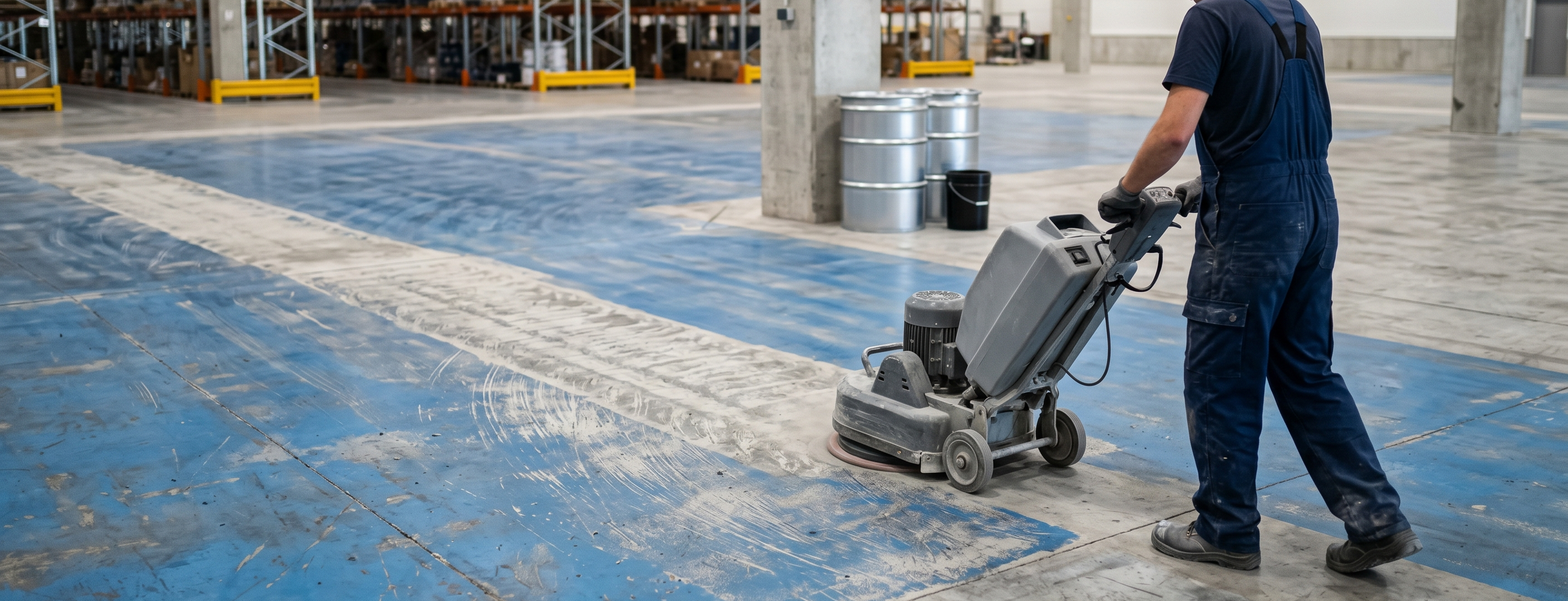
How to Sand a Painted Concrete Floor for Recoating